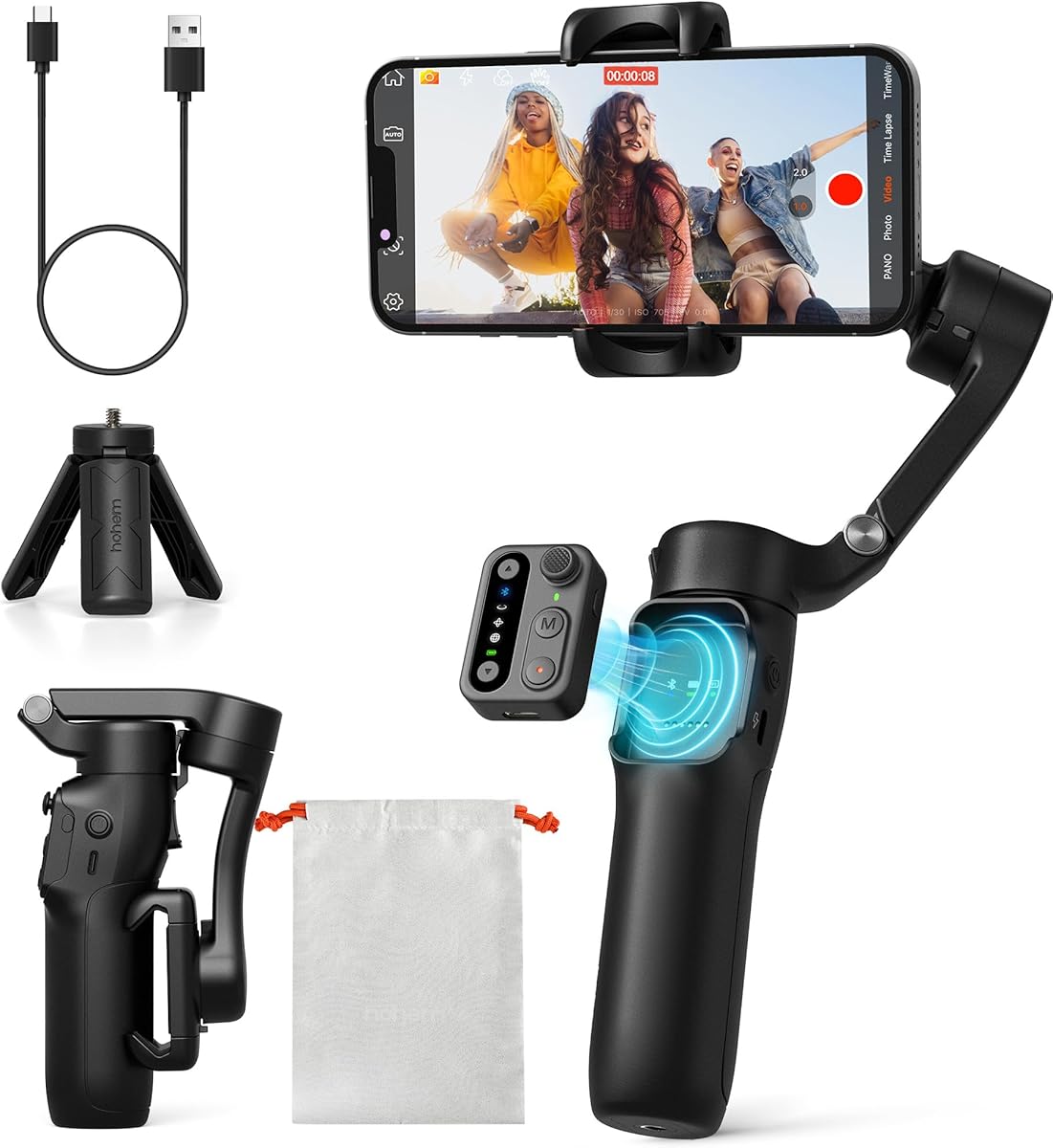
hohem iSteady X3 SE 3-Axis Gimbal
4.2Editor score
Detachable remote controller
Portable foldable design
11 hour battery life
Mountaineering demands gear that can withstand extreme conditions while capturing stunning footage. A reliable gimbal ensures your videos remain smooth even on steep climbs or windy ridges where stability is critical for safety and storytelling.
We evaluated leading stabilizers based on durability, battery life, and compatibility with action cameras. Our comparison focuses on models that offer robust construction, weather resistance, and long runtime essential for remote expeditions and extended shooting sessions.
Each pick highlights key features like splash proofing and quick release mechanisms. Prices and availability change frequently so verify current details before purchasing. This guide helps you select the right tool for your next high-altitude adventure without compromise.
4.2Editor score

4.1Editor score

4.9Editor score
As an Amazon Associate we earn from qualifying purchases.
This side-by-side comparison highlights the key specifications and capabilities of each top-rated gimbal for mountaineering. Use this data to match your specific camera type and rugged outdoor needs with the ideal stabilization solution.


The Hohem iSteady Pro 4 stands out as a top choice for mountaineers using action cameras like GoPro. It features robust splash proofing and a 14-hour battery life ensuring you capture footage throughout long climbs.
We may earn a commission when you buy through this link, at no additional cost to you.
Its Bluetooth shutter control reduces energy consumption significantly compared to WiFi. The stabilization algorithm handles dynamic movements well keeping footage smooth during descents or jumps. Quick mounting saves time when weather conditions demand speed.
While it lacks smartphone compatibility the focus on action cameras keeps it simple and durable. The battery life is excellent for extended expeditions but the app can be finicky with updates. These trade-offs are minor given the primary function.
If you prioritize action camera stability over phone integration this gimbal delivers reliably. It balances performance with rugged features needed for harsh environments making it ideal for technical climbing shoots.
Bluetooth connectivity cuts power usage by 50% compared to older WiFi models extending runtime significantly.
IPX4 splash proof rating protects against rain and snow ensuring continued use in changing mountain weather.
We may earn a commission when you buy through this link, at no additional cost to you.
The hohem iSteady X3 SE offers an affordable entry point for mountaineers needing smartphone stabilization. Weighing just 0.79 pounds it folds compactly to fit in a pack without adding significant bulk to your gear.
We may earn a commission when you buy through this link, at no additional cost to you.
Its detachable remote allows safe selfies from a distance which is useful on tricky ridges. The 11-hour battery supports day-long shoots while the iSteady 8.0 technology ensures smooth video even when walking on uneven terrain.
Although the payload capacity limits heavier phone setups it works well with standard devices. The budget price makes it accessible though stabilization may not match premium models. It remains a solid value for casual outdoor recording.
Choose this if you need a reliable lightweight option without breaking the bank. It simplifies gear logistics while providing decent stability for casual hiking and climbing video needs.
Its foldable design ensures it packs easily into small spaces freeing up valuable bag room for essentials.
The magnetic remote attaches securely and offers control up to 32 feet away for safe self-recording.
We may earn a commission when you buy through this link, at no additional cost to you.
The FeiyuTech SCORP Mini-3-Pro delivers professional grade features for serious mountaineering videographers. With a 4.4 pound payload it handles mirrorless cameras and action cams alike making it versatile for diverse filming needs.
We may earn a commission when you buy through this link, at no additional cost to you.
Its AI Tracking 4.0 allows hands-free subject following without external sensors or apps. The detachable handle doubles as a wireless remote enabling low-angle shots on narrow paths. Battery life supports full day expeditions comfortably.
The price reflects its premium capabilities but the flexibility pays off for complex shoots. Setup can be tricky initially but offers extensive control once mastered. This balance justifies the cost for advanced users seeking reliability.
Ideal for those needing robust stabilization across multiple camera types. It combines intelligent features with physical durability essential for demanding alpine environments.
AI tracking follows subjects autonomously allowing you to focus on climbing while maintaining perfect framing.
Supports heavier lenses and cameras enabling high-quality footage without switching equipment mid-expedition.
We may earn a commission when you buy through this link, at no additional cost to you.
The DJI Osmo Mobile 8 excels at capturing high-quality smartphone footage on the move. Its native tracking includes audio and lighting options providing a complete solution for content creators filming on trails.
We may earn a commission when you buy through this link, at no additional cost to you.
The built-in tripod and extension rod eliminate extra gear reducing pack weight. Active tracking keeps subjects in focus during dynamic movements. However the lack of weather sealing limits use in wet or dusty conditions.
While the app has removed compatibility issues the hardware remains robust for dry environments. The 10-hour battery ensures long recording sessions but users must manage updates carefully for full features.
This model suits urban hikers or dry-season climbers prioritizing smartphone video quality. It streamlines filming without compromising essential stabilization for everyday adventures.
Integrated audio and lighting features remove the need for separate accessories during outdoor recording sessions.
360-degree rotation allows creative shots that follow subjects freely during active outdoor movements.
We may earn a commission when you buy through this link, at no additional cost to you.
The DJI Osmo Mobile 7 balances weight and performance making it ideal for backpackers. At just 300 grams it adds minimal load while delivering smooth stabilization for iPhone or Android users.
We may earn a commission when you buy through this link, at no additional cost to you.
ActiveTrack 7.0 improves subject tracking speed and accuracy compared to previous versions. The foldable design with built-in tripod supports hands-free recording. However like other DJI models it suffers from app store removal issues.
Its lightweight build benefits long treks but sacrifices some durability against elements. Battery life supports full day use but charging via USB-C requires carrying extra cables. It remains a strong choice for tech-savvy hikers.
Opt for this when minimizing weight is a priority. It delivers cinema-quality stabilization with compact convenience for mobile filmmaking on the go.
Weighing only 300 grams reduces hand fatigue during extended shooting sessions on narrow mountain paths.
Advanced tracking ensures your subject remains sharp even during rapid changes in movement or terrain.
We may earn a commission when you buy through this link, at no additional cost to you.
This variation of the iSteady Pro 4 focuses on seamless action camera integration. It provides a spring-loaded quick release clip enabling fast mounting in seconds which is crucial when weather shifts rapidly on a climb.
We may earn a commission when you buy through this link, at no additional cost to you.
IPX4 splash proofing ensures reliability in rain or snow. Bluetooth and cable options offer flexible control methods extending battery life significantly. The stabilization algorithm remains top-tier for dynamic terrain.
The lack of smartphone support narrows its focus but enhances durability and simplicity. Battery longevity supports entire expeditions without frequent recharges. This specialized tool is perfect for dedicated action camera users.
Select this model if action cameras are your primary tool. It offers unmatched convenience and weather resistance for recording technical climbs and descents efficiently.
The spring-loaded clip allows mounting and detaching action cameras in just 3 seconds saving precious time.
Both Bluetooth and cable controls provide flexibility ensuring you stay connected even if wireless fails.
We may earn a commission when you buy through this link, at no additional cost to you.
The DJI Osmo Mobile 7P combines a phone gimbal with a multifunctional module for enhanced recording. This all-in-one design simplifies gear by integrating lighting audio reception and tracking into a compact unit.
We may earn a commission when you buy through this link, at no additional cost to you.
Its dual-lens tracking improves accuracy for moving subjects. The extension rod and tripod support creative angles without extra purchases. While the module slightly increases weight it removes the need for separate accessories.
Battery life remains strong at 10 hours ensuring day-long use. App challenges persist but the hardware performance is reliable. This model suits creators needing versatile tools for travel or outdoor vlogging.
Ideal for those seeking a unified smartphone solution. It reduces bulk while maximizing functionality for professional-looking content on the go.
The integrated module handles audio light and tracking so you do not need separate gear.
Dual-lens technology ensures your subject stays sharp and centered even during complex movements.
We may earn a commission when you buy through this link, at no additional cost to you.
The DJI RS 3 Mini is designed for lightweight mirrorless cameras making it suitable for serious mountain filming. At just 795 grams it offers 2kg payload capacity allowing various lens combinations without excessive bulk.
We may earn a commission when you buy through this link, at no additional cost to you.
Vertical shooting support is crucial for social media content created during hikes. The intuitive touchscreen and Bluetooth shutter enable quick adjustments in the field. However it requires specific apps for activation and updates.
Its compact size makes it easy to carry but setup may take time initially. Stability is exceptional for its weight class handling rugged terrain smoothly. This balance suits hybrid shooters needing quality and mobility.
Choose this for high-quality mirrorless video without heavy gear. It brings pro features to alpine environments efficiently and reliably.
Mounting the quick-release plate vertically enables seamless shooting for social media formats without manual rotation.
The full color touchscreen provides instant access to settings simplifying adjustments during fast-moving shoots.
We may earn a commission when you buy through this link, at no additional cost to you.
The DJI Osmo Pocket 3 is a dedicated vlogging camera with built-in stabilization ideal for mountaineering. Its 1-inch CMOS captures high-quality video with excellent low-light performance crucial for early morning or dusk shoots.
We may earn a commission when you buy through this link, at no additional cost to you.
ActiveTrack 6.0 keeps you centered during complex movements. The rotating screen allows vertical composition easily while immersive audio reduces need for external mics. It simplifies gear but is more costly than standalone gimbal options.
Battery life and charging capabilities are strong for day trips. Its compact form reduces setup time significantly. While less flexible than gimbals it delivers professional results with minimal effort.
Perfect for creators wanting simplicity and top-tier video quality. It eliminates setup complexity ensuring you focus on the climb rather than equipment.
The 1-inch sensor enhances detail and color in dim conditions common at high altitudes or shaded valleys.
Integrated design means no balancing or setup required ensuring immediate recording upon arrival at a scenic spot.
We may earn a commission when you buy through this link, at no additional cost to you.
The hohem iSteady MT3 Pro is a powerhouse supporting mirrorless action and smartphone cameras with a massive 5.5 pound payload. Its 20-hour battery and detachable touchscreen remote offer unmatched versatility for long expeditions.
We may earn a commission when you buy through this link, at no additional cost to you.
AI tracking and integrated lighting simplify workflows significantly. The touchscreen remote provides preview capabilities without a phone. However its weight may limit use for ultralight hikers prioritizing minimal pack weight.
Complexity in setup is balanced by extensive control options once configured. This model is best for professional shoots requiring high payload capacity and diverse camera types. It excels when weight is less critical than capability.
Ideal for film crews needing robust multi-device support. It combines professional features with exceptional battery life for demanding projects.
The 20-hour battery ensures continuous shooting across multiple days without needing frequent power sources.
The detachable touchscreen remote provides real-time feedback simplifying complex framing decisions in remote areas.
We may earn a commission when you buy through this link, at no additional cost to you.
Selecting the right gimbal for mountaineering requires balancing weight durability and performance. This guide breaks down the most critical factors to help you choose based on your specific equipment and climbing style.
Mountaineering demands lightweight gear to avoid fatigue on long ascents. Look for gimbals under 1 pound for phones or those specifically designed for lightweight mirrorless setups. Excess weight can hinder climbing speed and safety.
Prioritize models with foldable designs that pack small into your backpack. A compact gimbal ensures you do not have to choose between gear and climbing essentials.
Mountain weather is unpredictable so splash proof or waterproof ratings are essential. IPX4 or higher ensures the gimbal survives rain or snow. Also check for robust materials that resist drops on rocky surfaces.
A durable build protects your investment against the elements. Without proper protection your gimbal may fail when you need it most during critical shots.
Expeditions often lack power sources so long battery life is non-negotiable. Aim for at least 12 to 14 hours of continuous operation. Some models allow charging other devices or acting as power banks.
Check if the battery is user-replaceable for extended trips. Reliable power ensures you capture every moment without worrying about running out of charge mid-climb.
Match the gimbal to your camera type. Action cameras need lighter stabilizers while mirrorless users require higher payload limits like 2kg or more. Exceeding limits compromises stability and risks motor damage.
Verify compatibility with your specific camera model. Some gimbals offer adapters for various sizes ensuring a secure fit for all your gear.
Look for 3-axis stabilization and advanced algorithms like iSteady 5.0 or ActiveTrack 7.0. These ensure smooth footage during walking running or uneven terrain. Higher torque motors handle heavier setups more effectively.
Test the stabilization modes available. Look for features like lock mode for fixed angles or follow mode that pans smoothly with your movement.
Mountaineering often requires quick setups. Physical buttons or touchscreen remotes help adjust settings fast without fumbling with phones. Bluetooth control allows camera triggering directly from the gimbal.
Check if the gimbal requires complex balancing. Quick-release mechanisms save time when switching cameras frequently on a multi-day trip.
While hardware matters software can enhance usability. Ensure the app supports your phone OS and offers features like time-lapse or motion laps. Be aware of compatibility issues with some models.
Prioritize gimbals with stable firmware updates. A reliable app ensures tracking and editing features work consistently in remote areas.
Set a budget based on your needs. Entry-level gimbals offer basic stabilization while premium ones provide advanced tracking and build quality. Balance cost with essential features like battery life and durability.
Consider the long-term value. Investing slightly more in a rugged model can prevent costly replacements due to wear or environmental damage.
Always balance your camera before turning on the gimbal to prevent motor strain. Place the camera on the mounting plate and adjust the counterweights until it sits level. This ensures smooth tracking and prevents overheating during climbs.
Clean the gimbal after each trip with a soft dry cloth to remove dirt or salt residue. Check seals for any signs of wear if you used it in wet conditions. Proper cleaning extends the life of the motors and electronics.
Store the gimbal in a protective case when not in use to avoid scratches. Remove batteries if storing for extended periods to prevent leakage. Keep firmware updated via the official app to maintain peak performance and tracking accuracy.
No most are only splash proof like IPX4 rated models. Full waterproofing is rare so always check specific specs. Protecting electronics from water is crucial to avoid costly damage on remote expeditions.
Attach the camera securely to the mount and adjust the axis sliders until the camera floats level. Test by gently moving the gimbal to ensure no resistance. This step is vital for smooth footage and motor longevity.
Yes but batteries drain faster in low temperatures. Keep the gimbal inside your jacket when not filming to maintain heat. Some models include low-temp modes but check specs before heading to high altitudes.
Many modern gimbals include built-in tripods or extension rods for added versatility. This saves space and weight which is vital for mountaineering. Check product specs to confirm if a tripod is included.
Most high-quality gimbals offer between 10 to 14 hours of runtime. Some models even reach 20 hours. Always check the rated capacity and carry a power bank for multi-day trips without electricity.
For backpacking aim for gimbals under 1 pound for phones or 2 pounds for cameras. Heavier units can burden your pack. Always balance stability needs against total carry weight for safety.
The Hohem iSteady Pro 4 and FeiyuTech SCORP Mini-3-Pro lead our list for balancing durability and advanced features. Whether you need lightweight action camera support or professional mirrorless stability these models excel.
Prioritize weather resistance and battery life when climbing remote peaks. Ensure your gimbal matches your specific camera type to avoid compatibility issues that can disrupt your filming process on a hike.
Prices and stock fluctuate so review current listings before purchasing. With the right gear you will capture breathtaking high-altitude footage without compromising safety or performance during your next adventure.