
Baofeng UV-5R
4.5Editor score
Dual band VHF UHF
128 channel memory
LED flashlight included
Discover the best ham radio for backpacking with our detailed guide comparing top models for range, battery life, and durability in outdoor environments.
Backpacking requires reliable communication tools when cellular networks fail in remote wilderness areas. A high-quality ham radio ensures you can stay connected with your group or emergency services during multi-day treks and outdoor adventures.
We evaluated ten leading handheld transceivers based on frequency range, battery capacity, charging options, and weather alert features. Each product was assessed for portability, ease of programming, and signal clarity in challenging terrain.
This guide highlights key specifications and real-world performance notes to help you choose the right device. Prices and availability change frequently so verify current listings before purchasing your next adventure gear.
4.5Editor score
4.6Editor score

4.3Editor score
This side-by-side comparison highlights key differences across all ten selected models. Review frequency bands, power output, memory capacity, and special features to find the perfect match for your hiking needs.


The Baofeng UV-5RM stands out as the top choice for backpackers needing reliable communication. With a 4.6 rating and comprehensive feature set it balances performance and portability effectively for outdoor use.
We may earn a commission when you buy through this link, at no additional cost to you.
Its 2500mAh battery provides extended operation during multi-day trips while USB-C charging allows you to power up from power banks or laptops. The built-in NOAA receiver keeps you informed of weather changes.
While the menu system takes time to master, the frequency copy function simplifies setup with team members. The ergonomic design ensures comfort during long wear periods on steep trails.
This model is ideal for groups wanting modern conveniences without sacrificing core ham radio capabilities. We recommend it for serious hikers prioritizing communication reliability.
The 2500mAh capacity paired with USB-C charging means you can recharge from virtually any power source in the field.
Real-time NOAA alerts help you prepare for sudden storms without relying on cell service.
We may earn a commission when you buy through this link, at no additional cost to you.
The UV-5R remains the go-to budget option for entry-level backpackers. Its proven reliability and low cost make it accessible for anyone starting with amateur radio.
We may earn a commission when you buy through this link, at no additional cost to you.
Despite its simple design it offers dual-band capability and 128 channels for group coordination. The LED flashlight adds emergency utility when navigating dark campsites.
You will need a separate charger since it does not support USB-C. However the trade-off is acceptable given the price point and widespread accessory availability.
Choose this if you want a lightweight backup device without significant financial investment. It pairs well with more advanced radios for team communication.
At a fraction of the cost of premium models it lowers the barrier to entry for ham radio.
Works across standard VHF and UHF bands used by most hiking groups.
We may earn a commission when you buy through this link, at no additional cost to you.
The DM-32 introduces digital communication to backpacking with DMR support and GPS tracking. It suits tech-savvy users who want modern safety features.
We may earn a commission when you buy through this link, at no additional cost to you.
With 4000 channels and text messaging you can coordinate without voice transmission. GPS allows teammates to locate each other using APRS.
The interface requires study to utilize digital modes fully. It is heavier than standard analog radios which adds pack weight over long distances.
Select this model for advanced teams needing secure, trackable communication. It is excellent for technical exploration where precise location sharing matters.
Built-in GPS with APRS lets you share real-time coordinates for added safety.
Encryption features keep sensitive conversations private during outdoor operations.
We may earn a commission when you buy through this link, at no additional cost to you.
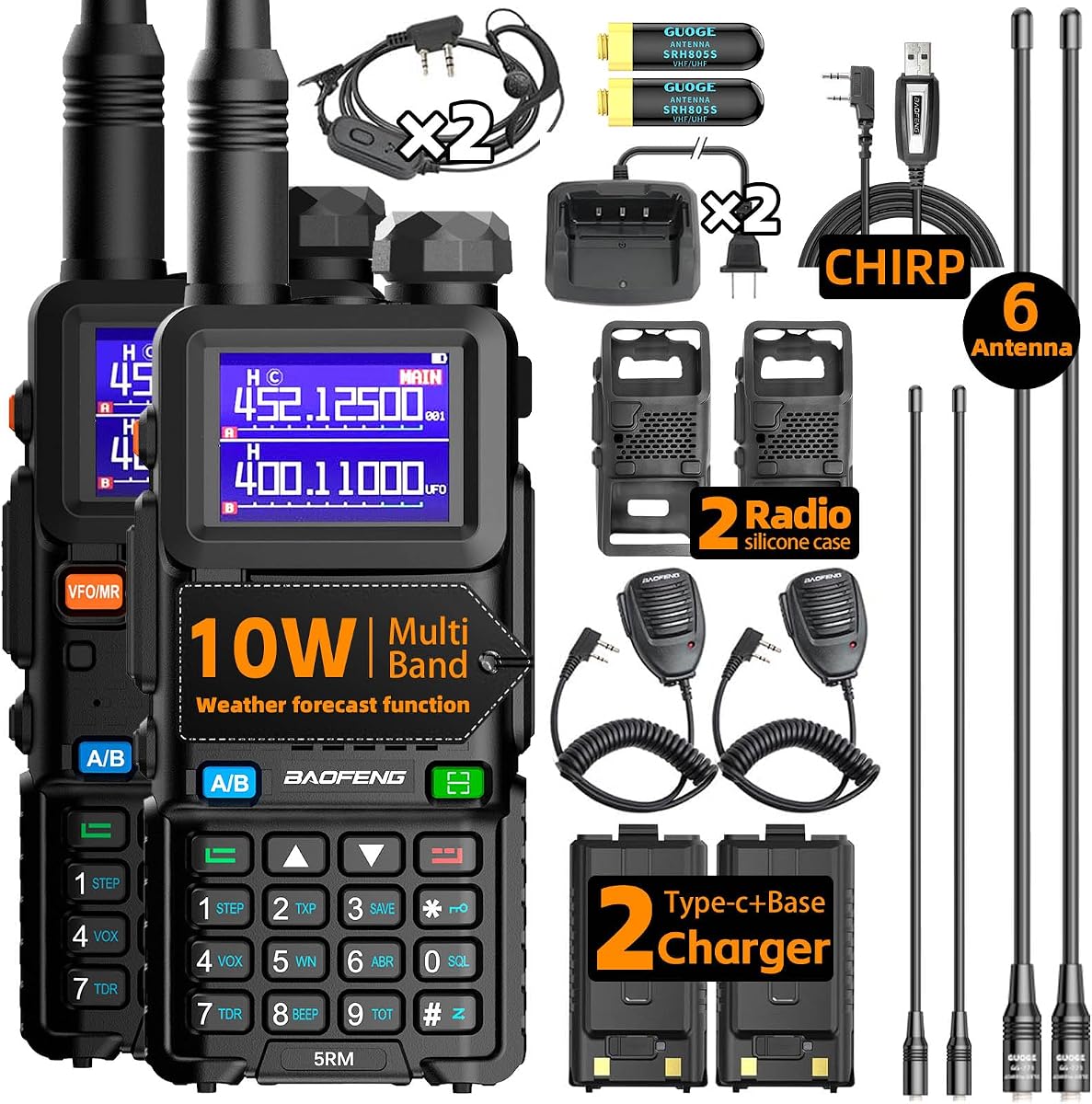
This two-pack offers immediate communication readiness for small groups. The 10W power ensures stronger signals across mountainous terrain.
We may earn a commission when you buy through this link, at no additional cost to you.
Included programming cables and chargers mean you can set up both radios without buying accessories. The color screen improves readability in bright sunlight.
Bulkier than single-unit options the total weight may affect ultralight hikers. However the convenience justifies the extra ounces for most families.
Ideal for pairs or small teams wanting matched equipment. It simplifies coordination and reduces the need for additional purchases.
10W output extends range compared to standard 5W handhelds.
Everything needed for setup is included in the box.
We may earn a commission when you buy through this link, at no additional cost to you.
The UV-32 adds GPS to the standard dual-band package. This is useful for navigation and emergency location reporting.
We may earn a commission when you buy through this link, at no additional cost to you.
The high-gain antenna improves reception in valleys and dense forests. FM radio provides entertainment during rest stops.
GPS adds functionality but can drain battery faster if not managed. The menus are feature-rich but require practice.
Recommended for those who value navigation data alongside voice comms. It balances performance and added utility well.
Built-in GPS assists with location tracking without extra devices.
Longer antenna improves signal reach in difficult terrain.
We may earn a commission when you buy through this link, at no additional cost to you.
This unit is a shortwave transceiver ideal for listening across bands. It appeals to hobbyists wanting to explore global frequencies.
We may earn a commission when you buy through this link, at no additional cost to you.
Firmware updates allow customization of features. The compact case protects it during transport though it requires external power.
It is not optimized for quick handheld use like typical hiking radios. Setup needs technical knowledge and patience.
Best for enthusiasts prioritizing shortwave listening over standard ham comms. It stands out for unique capabilities in the field.
Five shortwave bands allow access to international stations.
Small form factor fits in gear but needs external battery.
We may earn a commission when you buy through this link, at no additional cost to you.
English menus make this radio intuitive for non-technical users. It handles three bands for versatile communication.
We may earn a commission when you buy through this link, at no additional cost to you.
Scanning zones let you prioritize active channels quickly. The firmware is updatable via PC for new features.
Weight is higher than simpler models which may matter on long treks. Menu clarity offsets this minor drawback.
Choose this for ease of use without sacrificing features. It suits those who prefer straightforward operation.
English interfaces reduce confusion for first-time operators.
Zone scanning helps you focus on important channels.
We may earn a commission when you buy through this link, at no additional cost to you.
With a 4.8 rating this pack delivers excellent value. It features color screens and USB-C charging for modern use.
We may earn a commission when you buy through this link, at no additional cost to you.
The units are identical ensuring consistent performance across your group. NOAA weather keeps you safe in changing conditions.
Charger compatibility is great but the box includes accessories that add bulk. It is heavier than buying one unit.
Perfect for small groups needing reliable dual radios. It balances features and cost well for general backpacking.
High customer satisfaction indicates consistent performance and durability.
NOAA receiver ensures you stay informed of weather alerts.
We may earn a commission when you buy through this link, at no additional cost to you.
This unit boosts output to 8 watts for better range. The antenna and battery are larger for extended trips.
We may earn a commission when you buy through this link, at no additional cost to you.
USA-based support helps if you encounter issues abroad. The design focuses on durability and ease of use.
Charging is not USB-C so carry the included adapter. Weight is higher but justifies by battery life.
Select for maximum range in remote areas. It is robust and well-supported for serious hikers.
8W output improves communication distance over standard units.
USA warranty ensures reliable customer service if needed.
We may earn a commission when you buy through this link, at no additional cost to you.
One-click frequency copying simplifies setup for groups. This saves time and technical steps on the trail.
We may earn a commission when you buy through this link, at no additional cost to you.
The antenna is flexible and boosts signal strength. USB-C ensures easy charging with common power banks.
Lacks GPS and advanced digital modes but covers basic needs well. Weight is moderate for long hikes.
Best for quick deployment and simple coordination. It combines convenience with reliable performance.
Frequency cloning reduces setup time for groups.
High gain antenna improves clarity in weak areas.
We may earn a commission when you buy through this link, at no additional cost to you.
Selecting the right ham radio involves evaluating power, battery, and features suited to your hiking style. Consider these factors to match a device to your needs.
Ensure the radio supports VHF and UHF bands commonly used by hikers. Dual-band models allow communication across local and regional repeaters.
Choose units with NOAA weather receive capability for safety alerts in remote zones.
Look for 2000mAh or higher capacity to last multi-day trips. Consider models with USB-C charging for field recharging.
Check if extra batteries are available and affordable for extended travel.
Higher wattage improves range but consumes more battery. Select radios with adjustable power to balance signal and endurance.
8 to 10 watts is ideal for rugged terrain without excessive drain.
Models with simple interfaces reduce learning time on trails. Features like frequency cloning save time when setting up groups.
USB connectivity enables PC programming for detailed frequency planning before trips.
Water and dust resistance protect against harsh conditions. A sturdy shell and belt clip help secure the device.
Check for impact-resistant designs to survive drops during outdoor use.
GPS and text messaging add safety but increase cost and complexity. Decide if you need advanced digital capabilities versus basic voice.
Flashlights and FM radio provide utility without extra gear weight.
Before your trip, fully charge the battery and test transmission with a partner. Familiarize yourself with key buttons like power, volume, and channel selection.
During use, hold the radio upright and speak clearly after pressing the push-to-talk button. Use moderate power to conserve energy unless long-range is needed.
After each outing, clean the device with a dry cloth and store it in a protective case. Periodically check battery health and update firmware for optimal performance.
Yes, transmitting on amateur bands requires an FCC license in the United States. You can study and pass a basic exam to obtain one. However, you can legally receive weather alerts and frequencies without a license.
Range varies from 1 to 5 miles in open areas and less in dense forests or mountains. Higher power models reach farther but depend on antenna quality and terrain.
No, ham radios operate on different frequencies and systems than cellular networks. They are standalone devices for voice communication without relying on carriers.
Most models support PC software like CHIRP for programming. Connect via USB cable to transfer saved frequencies before your trip.
NOAA alerts provide real-time weather updates via radio signals. They help you avoid dangerous conditions when cell service is unavailable.
Newer models feature USB-C for convenience. Older units may require proprietary chargers, so check before buying if you rely on modern power banks.
We recommend the Baofeng UV-5RM for most hikers due to its balance of battery life and modern features.
For budget-conscious backpackers the UV-5R offers reliable performance with minimal cost.
Always verify current pricing and availability before purchasing to ensure you get the best value.