This comprehensive guide compares the top 10 ESP32 Starter Kits for October 2026, evaluating components, tutorials, and IoT capabilities to help you choose the
As an Amazon Associate we earn from qualifying purchases. We may earn a commission when you buy through links on this page, at no additional cost to you. Read our affiliate disclosure.As an Amazon Associate we earn from qualifying purchases.Purchases through our links may earn us a commission, at no extra cost to you. Read our affiliate disclosure.
Choosing the right ESP32 Starter Kit can transform your electronics journey from a hobby into a professional skill. These kits provide everything needed to master microcontrollers, IoT projects, and embedded programming without searching for individual components.
We evaluated ten top-rated kits based on component quality, tutorial depth, and real-world project potential. Each option supports Arduino IDE or modern languages like MicroPython, ensuring accessibility for beginners while offering power for advanced makers.
Every pick highlights specific strengths, from budget-friendly basics to ultimate camera-equipped boards. Prices and stock fluctuate frequently, so verify current details before purchasing to ensure you get the latest version and best value for your needs.
Top 3 Picks for Best ESP32 Starter Kit
Best Budget
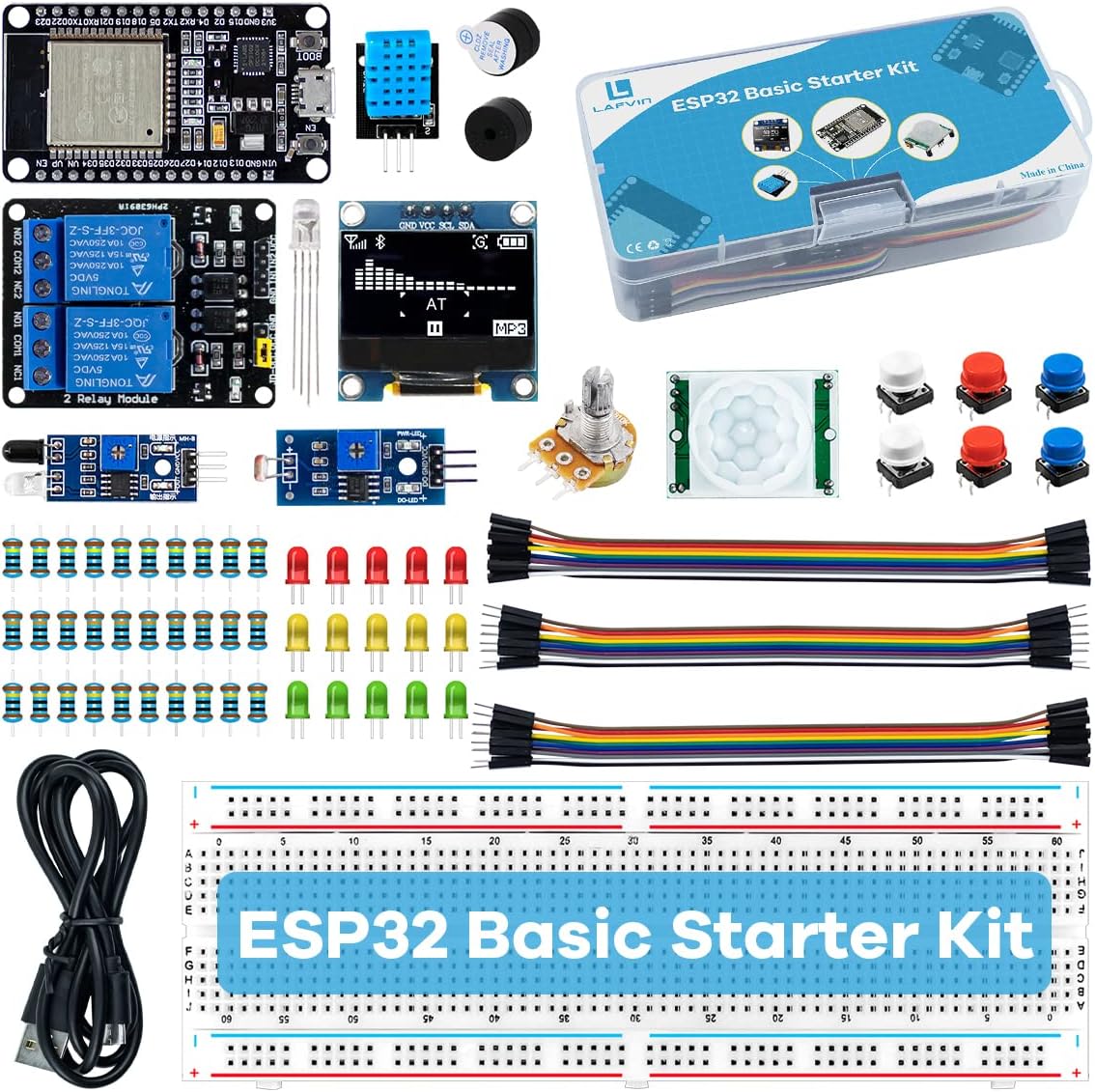
LAFVIN Basic Starter Kit for ESP32 ESP-32S WiFi IoT Development Board
4.5Editor score
Affordable entry point for beginners learning electronics
Includes essential modules like LED, DHT11, and OLED
Provides downloadable tutorials with assembly code lessons
Freenove ESP32 Kit ESP32 Camera Board Ultimate Starter Kit
ESP32 camera board with 4MB flash
795-page comprehensive tutorial guide
MicroPython and C language support
122 step-by-step projects included
The Freenove ESP32 Ultimate Kit stands out as a top choice for serious learners seeking depth. It combines a powerful camera board with an extensive library of over one hundred twenty projects. Rated highly by users for its educational value, it offers a structured path from basic circuits to complex IoT applications.
Pros
Massive 795-page tutorial book
Includes ESP32 camera module
High component count of 242 items
Supports multiple programming languages
Cons
Higher price point than basics
No paper tutorial included in box
We may earn a commission when you buy through this link, at no additional cost to you.
Its strongest feature is the detailed documentation. The seven hundred ninety five page tutorial covers electronics theory, coding basics, and project guides with schematics. This depth ensures users never feel stuck. The inclusion of MicroPython and C supports both beginners and professionals.
While comprehensive, the kit may overwhelm absolute novices due to its size. The lack of a physical tutorial in the box requires internet access. However, these trade-offs are minor given the sheer value of components and digital resources provided.
Ideal for students and hobbyists wanting a complete solution, this kit bridges the gap between theory and practice. Whether building smart home devices or camera systems, the versatility here is unmatched. It is our top recommendation for those ready to invest in long-term learning.
Camera Capabilities for Visual Projects
The ESP32 camera board enables vision-based projects like motion detection or image streaming. This feature opens doors to advanced robotics and surveillance applications not possible with standard boards.
Structured Learning Paths
Projects range from simple LED blinks to complex sensor networks. Each lesson builds on previous knowledge, ensuring skills are retained and reinforced throughout the learning journey.
LAFVIN Basic Starter Kit for ESP32 ESP-32S WiFi IoT Development Board
ESP32 ESP-32S WiFi board included
Basic sensors like DHT11 and OLED
Affordable price point for entry
Downloadable tutorial lessons provided
The LAFVIN Basic Starter Kit offers the perfect low-risk entry point for exploring electronics. Packed with essentials like temperature sensors and displays, it avoids unnecessary cost while teaching core concepts. Its high rating reflects satisfaction among students and first-time builders.
Pros
Very affordable for new learners
Includes essential sensors and modules
Easy to use for programming basics
Compatible with Arduino IDE
Cons
Limited project complexity
Tutorial only available as download
We may earn a commission when you buy through this link, at no additional cost to you.
Key strengths include its simplicity and focus. Users learn programming through clear, introductory lessons. The kit provides exactly what is needed for fundamental IoT projects, such as weather monitoring. This targeted approach prevents confusion and keeps projects accessible.
The main drawback is limited expandability compared to advanced kits. Users seeking complex robotics might outgrow it quickly. Additionally, relying on online tutorials means internet access is essential. Yet for the price, these limitations are reasonable.
This kit is ideal for classrooms or budget-conscious hobbyists. It provides a solid foundation without financial strain. If you are testing your interest in microcontrollers, this is the smartest place to start your journey.
Cost Effective Learning Tool
Priced affordably, this kit reduces barriers to entry. Students and parents can try IoT projects without significant investment, making it perfect for STEM programs.
Focused Component Selection
Components are chosen specifically for introductory tasks. This ensures learners focus on logic and circuitry rather than getting lost in unnecessary parts.
Freenove ESP32 Kit ESP32-S3 Camera Board Ultimate Starter Kit
ESP32-S3 board with Bluetooth 5
828-page comprehensive tutorial guide
High flash memory capacity
USB-OTG and camera features
The Freenove ESP32-S3 Ultimate Kit represents the pinnacle of current microcontroller education hardware. It leverages the newest S3 chip for better Bluetooth performance and processing power. Users praise its robust documentation and sheer volume of usable components.
Pros
Latest ESP32-S3 chip technology
Extensive documentation and guides
High memory for complex apps
Includes camera and SD card slot
Cons
Higher cost compared to basic kits
Physical tutorial not provided
We may earn a commission when you buy through this link, at no additional cost to you.
This kit shines in advanced projects due to memory and connectivity. The eight hundred twenty eight page guide covers complex topics deeply. Support for Processing and MicroPython enables graphical interfaces and rapid prototyping. It is designed for those who want future-proof skills.
The price reflects its premium nature, which may deter casual users. Also, reliance on digital manuals might frustrate offline learners. However, the included memory card and camera expand possibilities significantly, justifying the cost for serious students.
For professionals or advanced hobbyists, this is the best investment. It supports everything from industrial monitoring to AI projects. If you seek the most capable board for learning, this kit delivers unmatched value and performance.
Next Gen Connectivity
Bluetooth 5 support allows longer range and better battery management. This is crucial for portable IoT devices like wearable tech or remote sensors.
Advanced Processing Power
The dual-core processor handles multiple tasks simultaneously. You can run sensors and display updates without lag, essential for real-time data applications.
ELEGOO delivers a solid learning experience with its ESP-32 Super Starter Kit. It focuses on hands-on engagement through structured online tutorials. Users appreciate the quality control and organized packaging that ensures no parts are lost.
Pros
Well organized component kit
Dedicated technical support team
Includes OLED and motor modules
Clear step-by-step instructions
Cons
Less camera focus than Freenove
Fewer advanced projects listed
We may earn a commission when you buy through this link, at no additional cost to you.
Strengths lie in its comprehensive component range. It includes motors, displays, and input devices essential for robotics. The detailed circuit diagrams make troubleshooting easier for novices. Support is also a key advantage for users facing challenges.
While excellent for robotics, it lacks the advanced camera focus of competitors. The tutorial set is smaller compared to Freenove. Yet, the reliability and brand reputation make it a trustworthy choice for general electronics.
This kit is great for students and schools. It balances cost and capability well. If you want a reliable path to building smart gadgets with strong support, ELEGOO offers a very balanced and user-friendly solution.
Reliability and Support
ELEGOO's support team assists with coding and hardware issues. This safety net encourages users to attempt complex builds without fear of getting stuck.
Motor and Display Integration
Servo motors and keypads are included out of the box. This makes robotics projects like remote control cars possible immediately without extra purchasing.
This Basic Starter Kit for ESP32 is designed with education in mind. It targets students needing a straightforward introduction to microcontrollers. A perfect five point zero rating indicates high satisfaction among educators and learners alike.
Pros
Perfect for STEM classroom use
High user rating of 5.0
Includes essential modules and sensors
Familiar Arduino IDE environment
Cons
Basic range compared to ultimate kits
Limited advanced project variety
We may earn a commission when you buy through this link, at no additional cost to you.
Its focus on fundamentals ensures students grasp concepts like digital control and wireless communication. The WiFi capabilities allow immediate experimentation with connected devices. This practical approach aligns well with modern STEM curricula.
However, it does not match the component depth of ultimate kits. Advanced users might find it too simple for long-term projects. But for foundational learning, the simplicity is a feature, not a flaw.
Teachers and parents will find this kit invaluable for structured learning. It provides clear goals and results. If you prioritize a smooth start to electronics education without overwhelming complexity, this kit is the ideal choice.
Curriculum Friendly Design
Components are selected to match standard learning goals. This reduces prep time for teachers and ensures lessons run smoothly in classroom settings.
Wireless IoT Basics
Integrated WiFi allows easy setup of smart projects. Students can see real data on their phones, making abstract concepts tangible and exciting.
Freenove ESP32 Kit ESP32 Camera Board Basic Starter Kit
ESP32 camera board included
400-page tutorial guide
58 projects for learning
143 items in total
Freenove's Basic Camera Kit strikes a balance between cost and features. It introduces camera functionality without the full complexity of the Ultimate version. Users appreciate the clear tutorials and structured progression from simple to complex tasks.
Pros
Mid-range option between basic and ultimate
Includes camera functionality
Solid tutorial depth
MicroPython and C support
Cons
Fewer projects than Ultimate version
Lower memory than S3 version
We may earn a commission when you buy through this link, at no additional cost to you.
The four hundred page guide is substantial yet manageable. It provides enough depth for most hobbyists without overwhelming them. The component count supports diverse projects like motion detection or remote monitoring.
Compared to the Ultimate kit, it has fewer projects and lower memory. But for those who only need basic camera features, it offers better value. The price point is attractive for intermediate learners.
This kit is perfect if you want to build visual projects without breaking the bank. It simplifies the choice between entry-level and pro gear. For hobbyists seeking camera capabilities, this remains a strong and versatile option.
Visual Feedback Learning
The camera allows immediate visual feedback for coding errors. This speeds up the debugging process and helps users understand sensor inputs better.
Affordable Multimedia
Getting camera capabilities at this price is rare. It enables users to explore computer vision basics without expensive specialized hardware.
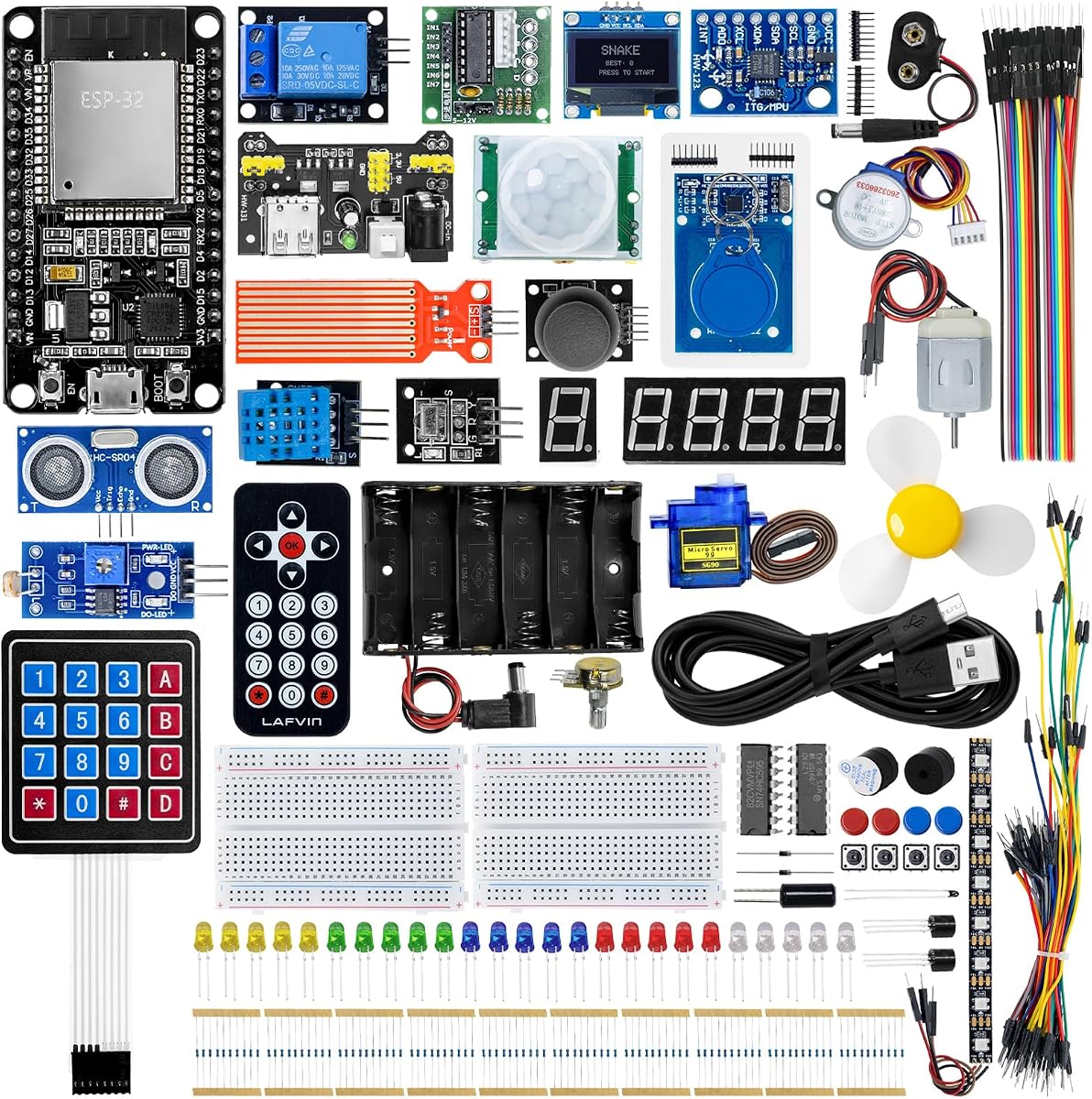
LAFVIN's Ultimate Kit stands out for its diverse IoT focus. It emphasizes web-based controls, allowing users to build browser-controlled systems. This is perfect for those interested in cloud connectivity and home automation projects.
Pros
Diverse sensor variety
Web control examples included
Good tutorial support
Includes RFID and motion sensors
Cons
Camera not included
Some tutorials are complex
We may earn a commission when you buy through this link, at no additional cost to you.
Components like RFID and motion sensors enable security prototypes. The tutorials walk users through building smart home apps. This practical application makes the learning highly relevant to real world needs.
Unlike camera kits, this focuses on sensor data. While powerful, it might feel less creative for robotics enthusiasts. However, the IoT focus is strong and well supported by documentation.
Ideal for aspiring smart home engineers, this kit builds web skills fast. If you want to master IoT data flows, LAFVIN offers a comprehensive and practical path forward for beginners.
Web-Based Control
Users learn to host web servers on the chip. This skill is vital for modern IoT applications where remote access is key.
Security and Access
RFID modules allow secure access projects. This adds a layer of professional relevance to student portfolios and school projects.
This V2 kit is designed for physical prototyping. It includes breadboards and jumpers, saving users from buying extra parts. The sensor selection is practical, covering common tasks like ultrasonic distance and light detection.
Pros
Includes breadboard for quick testing
High-quality sensors like HC-SR04
Great for physical prototyping
5.0 user rating
Cons
Focus on hardware over coding
Less tutorial depth
We may earn a commission when you buy through this link, at no additional cost to you.
Its strength lies in hands-on testing. Users can quickly wire circuits without buying extra hardware. The tutorials support both C and Python, making it flexible for different coding preferences.
While great for hardware, it may lack the extensive project guide of Freenove. It assumes users are ready to experiment physically. But for builders who love wiring and circuit debugging, this is perfect.
Perfect for makers building physical prototypes, this kit provides immediate utility. If you want to focus on hardware connections and sensor integration, this kit offers the best tools for rapid testing and development.
Prototyping Ready
Breadboards allow quick changes without soldering. This flexibility is essential for iterative design and testing new ideas rapidly.
High-Quality Sensors
Included sensors are reliable and easy to wire. This reduces frustration and ensures that measurements are accurate for school or hobby projects.
ACEBOTT's kit is unique for its focus on visual coding alongside text. Scratch compatibility makes it ideal for children who want to try coding without syntax errors. The structured path ensures logical progression through topics.
Pros
Drag-and-drop visual coding support
Structured learning path
Great for children and teens
Labeled components
Cons
Visual coding might limit text skills
Fewer advanced IoT options
We may earn a commission when you buy through this link, at no additional cost to you.
Components are individually labeled, reducing assembly stress. This is a huge plus for beginners who find loose wires overwhelming. The four dozen lessons cover everything from basics to smart apps.
While the visual tools are great, transitioning to pure C might need extra effort. But the foundational skills gained are solid. For schools, this approach bridges the gap between toys and real engineering.
Perfect for STEM classrooms or parents of young learners, this kit encourages creativity. If you want a safe, educational way to introduce teens to programming, this offers the best support and design.
Visual Coding Accessibility
Drag-and-drop interfaces remove syntax barriers. Children can focus on logic and creativity without fighting semicolons or brackets immediately.
Educational Packaging
Labeled parts save time on setup. This attention to detail shows a strong focus on learning flow and user convenience.
The TinkerBlock kit offers a unique modular approach. It uses plug-in ports for sensors, avoiding messy wiring. This design prioritizes speed and cleanliness. It is a modern take on traditional kits that often frustrate learners with loose wires.
Pros
No breadboard wiring needed
Consistent sensor connections
Modern S3 hardware
Unique modular design
Cons
Proprietary connector system
Higher cost than standard kits
We may earn a commission when you buy through this link, at no additional cost to you.
The ESP32-S3 board ensures modern performance. With 16MB flash, it supports demanding apps. The standardized cables mean consistent connections, reducing errors. This is ideal for environments like classrooms where speed matters.
However, the proprietary connectors might limit flexibility compared to standard jumper wires. It is less open to custom hardware. But for learning standard sensor interfacing, it provides a flawless and professional experience.
Perfect for rapid prototyping, this kit stands out for its clean design. If you want to focus on coding rather than wiring, this system offers the most efficient path to building working prototypes quickly.
Modular Design
Standardized cables eliminate wiring confusion. This ensures that projects can be reassembled quickly, which is vital for classroom testing cycles.
Clean Prototyping
Plug-in ports make the hardware look professional. It reduces physical clutter, allowing users to focus on the logic of their code.
We may earn a commission when you buy through this link, at no additional cost to you.
Buying Guide – How to Choose the Best ESP32 Starter Kit
Selecting the right ESP32 Starter Kit depends on your specific goals, technical background, and budget constraints.
Component Variety
Look for kits that include essential sensors like ultrasonic, DHT, and OLED displays. A higher component count often indicates more project possibilities.
Prioritize kits with diverse inputs to ensure you can build various real-world applications.
Tutorial Quality
A good kit should offer step-by-step guides with circuit diagrams. Downloadable PDFs are convenient, but in-box manuals can be helpful for offline learning.
Ensure the tutorials cover both basic wiring and advanced coding concepts.
Board Specifications
Check the processor type. Newer ESP32-S3 boards offer better Bluetooth and memory. Ensure the board supports the language you want to use.
Higher flash memory allows for more complex code and features.
Camera Support
If you want to build visual projects, ensure the kit includes a camera module. This opens doors to robotics and surveillance applications.
Not all kits have cameras, so decide if this is a priority for you.
IDE Compatibility
Most kits support Arduino IDE, but some also support Python or Scratch. Verify which environment matches your current skills or learning goals.
Multi-language support gives you flexibility as you grow as a developer.
Connectivity
Modern IoT requires robust Wi-Fi and Bluetooth. Look for kits with Bluetooth 5 support for better range and battery life.
Strong connectivity ensures your devices can communicate reliably with apps.
Brand Reputation
Choose established brands like Freenove or ELEGOO for reliable support. They often provide active communities and regular updates.
A good brand means better documentation and easier troubleshooting.
Budget
Kits range from basic to ultimate. Decide how much you are willing to spend based on your commitment level to electronics.
Remember that a slightly more expensive kit might save money on extra parts later.
How to Use and Care for Your ESP32 Starter Kit
Start by reading the included tutorial guide to understand your specific components. Connect the ESP32 board to your computer via USB to begin programming.
Keep the kit organized by storing unused parts in their labeled containers. This prevents losing small screws or resistors during assembly.
Avoid touching the exposed metal pins on the board to prevent static damage. Store the kit in a dry place away from direct sunlight.
Frequently Asked Questions
Is an ESP32 Starter Kit suitable for beginners?
Yes, most kits are designed for beginners. They include guides that explain basic electronics and programming without requiring prior experience. You just need a computer to get started.
What programming languages are supported?
Most kits support C/C++ through Arduino IDE and MicroPython. Some advanced kits even support Scratch for visual coding. This flexibility helps learners grow their skills over time.
Do these kits require soldering?
Most beginner kits are designed for breadboards and do not require soldering. This allows you to test projects without permanent connections. However, soldering can be useful for final builds.
Can I use the ESP32 for home automation?
Absolutely. The built-in Wi-Fi allows you to connect devices to your network. You can control lights, monitor sensors, and interact with smart home systems easily.
Is the camera module easy to use?
Yes, camera modules in these kits are plug-and-play. The tutorials show how to connect the cable and run basic code. It is a fun way to learn visual computing.
How much does an ESP32 kit cost?
Prices vary from affordable basics to advanced ultimate kits. Basic models start lower while camera kits cost more. Check current pricing for the best value options.
Are online tutorials enough to learn?
Online tutorials are sufficient for most learners. They offer detailed steps and code examples. Some kits also include offline documentation for convenience if internet is unavailable.
Can I upgrade components later?
Yes, ESP32 kits are compatible with many external modules. You can add more sensors or displays to expand your projects. The open nature of the hardware encourages creativity.
Final Thoughts on Choosing the Best ESP32 Starter Kit
Choosing an ESP32 Starter Kit is the first step into the exciting world of IoT and electronics. Our top picks cover every need, from budget basics to advanced camera kits.
Prioritize kits that match your specific learning goals. If you want to build robots, look for motor modules. If you want smart home tech, focus on web control features.
Prices and availability change often, so verify the latest details before buying. Investing in the right kit now can set you up for months of creative and educational projects.
This guide compares the top landline phones for seniors including amplified models, cordless systems, and devices with big buttons and call blocking features.