
DY-50 Intraoral Camera Dental Camera
4.5Editor score
Crystal clear pictures
Wide software integration
Ergonomic handheld design
Discover the top cameras for dental photography comparing intraoral and DSLR models for clarity, software integration, and professional patient documentation
Choosing the right camera for dental photography is essential for capturing clear images that help patients understand their treatment needs. High-quality visuals improve case acceptance and streamline communication between dental professionals and labs.
We evaluated ten top-rated cameras based on image clarity, ease of use, software compatibility, and ergonomic design. Each product offers unique features tailored to different clinical workflows and budget requirements for optimal results.
Our list includes dedicated intraoral cameras and versatile DSLR options suitable for dental environments. Each pick highlights key strengths and considerations. Prices and availability may vary so verify details before purchasing.
4.5Editor score
4.4Editor score

This side by side comparison highlights the core specifications and strengths of each camera model to help you select the right tool for your dental practice needs.


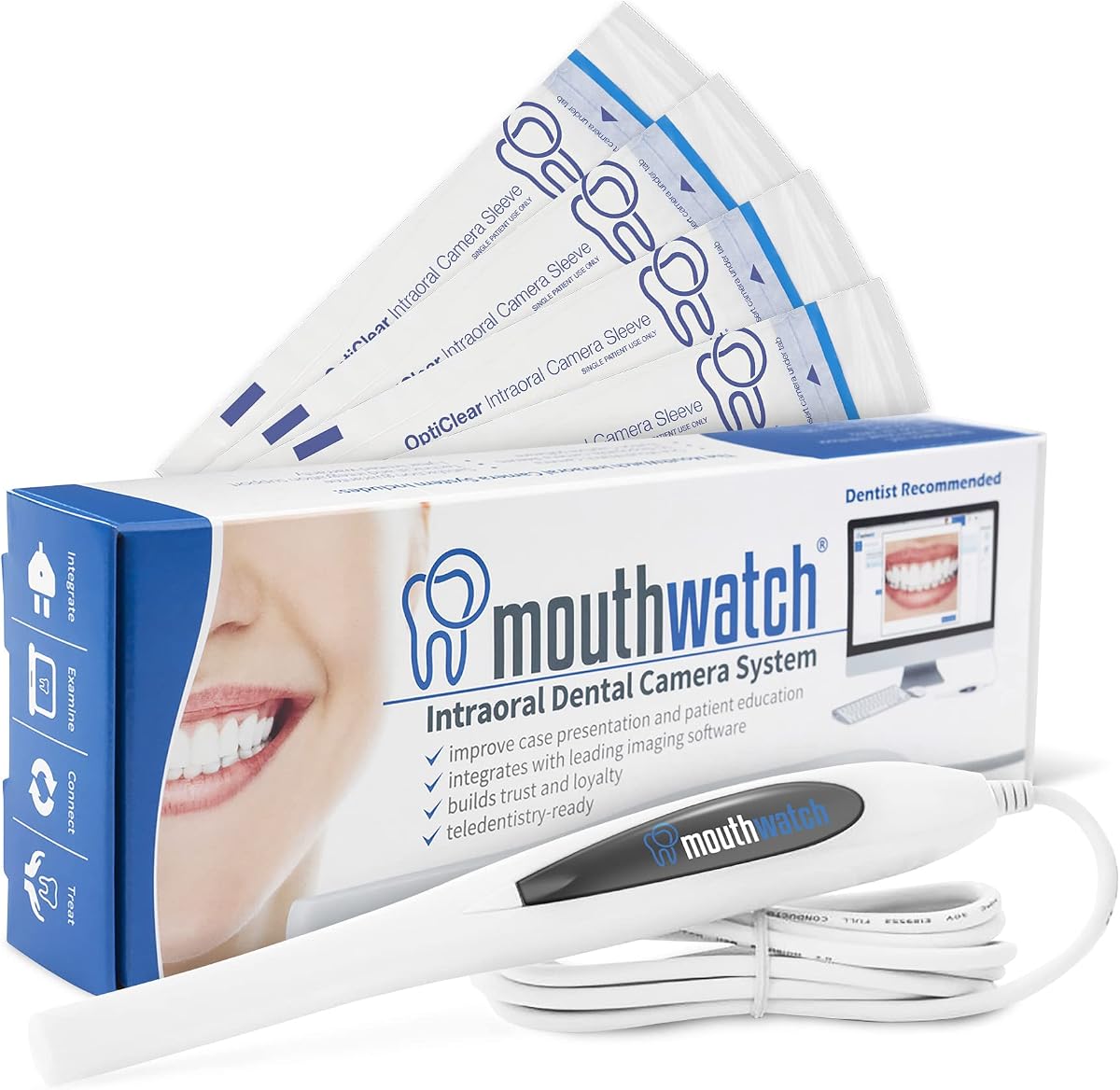
This dental camera is designed to help professionals capture clear well-illuminated photos efficiently. It holds a strong rating from users who value speed and clarity in clinical settings.
We may earn a commission when you buy through this link, at no additional cost to you.
The fixed focal distance eliminates manual focusing needs while the single button operation saves time during patient interactions. Images save directly to the chart without needing a mouse or keyboard.
While integration is straightforward with over 50 supported suites some users may need technical support initially. The camera works seamlessly with major solutions like Eaglesoft and Dexis.
It is ideal for clinics seeking reliable fast imaging without complex setup. We recommend this model for practices prioritizing case comprehension through high quality visuals.
Clear images help patients understand treatment needs leading to higher case acceptance rates and better outcomes.
Proprietary capture software supports major imaging solutions allowing easy setup in under five minutes.
We may earn a commission when you buy through this link, at no additional cost to you.
This DSLR offers exceptional image quality suitable for detailed dental photography with proper macro accessories. It features a 24.1MP sensor and built-in Wi-Fi for easy sharing.
We may earn a commission when you buy through this link, at no additional cost to you.
The optical viewfinder and 9-point AF system ensure sharp focus even in varying clinic lighting conditions. Wi-Fi and NFC allow quick transfers to smartphones or tablets.
While powerful it may require additional macro lenses for close-up dental work. The body is heavier than dedicated intraoral cameras which could affect long session comfort.
Best for photographers wanting versatility beyond dental use. It is a solid choice for clinics needing high-quality images and future growth potential.
The sensor and processor combination produces vibrant colors and sharp details ideal for professional documentation.
Built-in Wi-Fi and NFC enable effortless photo transfers to mobile devices for instant sharing or backup.
We may earn a commission when you buy through this link, at no additional cost to you.
This bundle includes everything needed to start photography beyond the camera body. It features the same strong 24.1MP sensor as the standard kit with added accessories.
We may earn a commission when you buy through this link, at no additional cost to you.
The package includes a memory card shoulder bag and extra battery supporting extended sessions. Intuitive automatic settings make it ideal for beginners transitioning to DSLR.
While great for general use you will need a macro lens for dental close-ups. The additional items add value but increase weight compared to intraoral cameras.
Perfect for clinics wanting a versatile system for multiple uses. It balances performance and convenience with all essential accessories included out of the box.
Includes memory card bag and charger so you can start shooting immediately without extra purchases.
Simplified menu system and intuitive settings help new photographers capture quality results quickly.
We may earn a commission when you buy through this link, at no additional cost to you.
This mirrorless camera offers advanced autofocus and high-speed shooting for dynamic dental documentation. It features a 24.2MP sensor and 651 AF zones covering 100% of the frame.
We may earn a commission when you buy through this link, at no additional cost to you.
The vari-angle touchscreen allows easy composition from different angles while the compact design reduces weight. It supports both stills and high-quality video for teaching or marketing.
Though powerful it requires specific RF-S lenses which may add cost. The learning curve for settings might be steeper than dedicated intraoral cameras.
Ideal for modern clinics wanting a versatile imaging system. It delivers professional results and video capabilities for comprehensive patient documentation and education.
Dual Pixel CMOS AF II with deep learning ensures accurate subject tracking for sharp dental images.
Capture both 4K video and high-resolution stills with flexible shooting modes for diverse needs.
We may earn a commission when you buy through this link, at no additional cost to you.
This compact camera features a fast ZEISS lens and product showcase mode for detailed close-ups. It is designed for creators and can handle dental photos with proper positioning.
We may earn a commission when you buy through this link, at no additional cost to you.
The 20.1MP sensor captures crisp detail while the lightweight design reduces fatigue. Built-in Wi-Fi and Bluetooth make file transfers to smartphones seamless and efficient.
While it lacks interchangeable macro lenses the product showcase mode helps with depth of field. It is smaller than DSLRs but may need additional attachments for dental work.
Great for clinicians wanting portability and video features. It balances ease of use with professional image quality for varied documentation tasks.
The dedicated mode switches focus to the closest subject for clear macro-like shots.
Built-in microphone and 4K video support allow comprehensive educational content creation.
We may earn a commission when you buy through this link, at no additional cost to you.
This entry-level camera offers high resolution and dual lenses at an affordable price. It features an 88MP sensor and 16X digital zoom for versatile shooting angles.
We may earn a commission when you buy through this link, at no additional cost to you.
The 3.2-inch touchscreen allows intuitive control and the included batteries support extended sessions. It connects via WiFi for easy file transfers to other devices.
While affordable it lacks true optical macro capabilities. The digital zoom may reduce quality for close-ups compared to dedicated optics.
Best for clinics needing a budget option for documentation. It provides decent clarity for general purposes but may lack precision for detailed intraoral work.
Front and rear lenses provide flexible shooting angles for various documentation needs.
Two high-capacity batteries ensure you can shoot throughout the day without interruption.
We may earn a commission when you buy through this link, at no additional cost to you.
This intraoral camera is designed for budget-conscious clinics needing reliable imaging. It offers crystal clear pictures and integrates with many North American software solutions.
We may earn a commission when you buy through this link, at no additional cost to you.
The capture button driver works with most platforms and the ergonomic design allows easy upper and lower capture. It connects directly to USB without extra hardware.
While affordable the resolution is lower than premium models. Users must ensure their software is supported before purchasing.
Ideal for clinics needing cost-effective documentation. It delivers essential clarity and integration without high costs making it a practical choice.
Compatible with most imaging software ensuring seamless integration into existing clinical workflows.
Lightweight and comfortable design allows easy use for upper and lower intraoral captures.
We may earn a commission when you buy through this link, at no additional cost to you.
This intraoral camera provides 720P HD quality with 4X zoom for detailed views. It integrates with many software platforms using an included capture button driver.
We may earn a commission when you buy through this link, at no additional cost to you.
The zoom feature helps capture clearer views of specific teeth without moving the camera. It connects via USB and works without a foot pedal.
While zoom is helpful resolution is lower than some models. Users must verify software compatibility before purchase.
Best for clinics needing zoom flexibility on a budget. It offers practical features for documentation while maintaining affordable pricing.
The 4X zoom allows detailed views of specific teeth without moving the camera position.
Capture button driver enables seamless software integration for streamlined workflow.
We may earn a commission when you buy through this link, at no additional cost to you.
This premium system features a 17-inch touchscreen and all-in-one design for seamless clinical workflow. It offers high-definition imaging and QR code transfer for fast patient photo sharing.
We may earn a commission when you buy through this link, at no additional cost to you.
The integrated computer allows quad-split views and efficient documentation. Setup is minimal with plug-and-play functionality and no complicated software needed.
While powerful the high cost may not fit all budgets. It is designed for larger clinics wanting comprehensive solutions.
Ideal for clinics needing advanced features and efficiency. It delivers top-tier imaging and workflow tools for professional documentation and patient engagement.
Integrated touchscreen computer allows easy switching between views and quick patient presentation.
QR code functionality lets you transfer photos to any device in seconds without cables.
We may earn a commission when you buy through this link, at no additional cost to you.
This lighting kit helps capture clear dental images with adjustable brightness and flexible mounting. It works with smartphones or dental cameras to improve image quality.
We may earn a commission when you buy through this link, at no additional cost to you.
The omni directional support bar allows ideal views inside the mouth. Brightness is fully adjustable from zero to 100 percent for optimal illumination.
While not a camera itself it enhances existing setups. The flexible bracket fits most devices and includes a non-slip handle.
Best for improving existing camera setups. It offers practical lighting control for consistent results and is easy to transport and store.
Brightness control ensures consistent lighting for accurate color and detail representation.
The removable bracket works with most phones and cameras for versatile positioning.
We may earn a commission when you buy through this link, at no additional cost to you.
Selecting the right camera for dental photography involves balancing image quality, ease of use, and budget. These factors help ensure your tool meets clinical needs.
High-resolution sensors capture fine details essential for accurate diagnosis and patient education. Look for cameras with clear optics and minimal noise in low light.
Prioritize models with strong sensors and quality lenses for sharp consistent results.
Compatibility with existing dental imaging software ensures smooth workflow. Check if the camera supports your practice management or charting system.
Choose cameras with broad integration options to avoid workflow disruptions.
Single-button capture and ergonomic designs reduce strain during long sessions. Quick focus and intuitive controls save time with each patient.
Look for simplified interfaces and comfortable grip to improve efficiency.
Proper lighting eliminates shadows and ensures color accuracy. Fixed focal distances reduce focus issues common in tight oral spaces.
Ensure the camera includes adequate lighting or supports external light sources.
Lightweight cameras reduce hand fatigue during extended use. Consider whether portability matters for your setup or if a stationary system suffices.
Balance weight against features to maintain comfort without compromising quality.
Reliable customer support helps troubleshoot issues quickly. Look for models with lifetime support or warranty coverage for peace of mind.
Choose brands with responsive service teams to minimize downtime.
Intraoral cameras cost less than DSLR systems but offer fewer features. Assess your practice needs and how much you will use the camera daily.
Select a camera that balances upfront cost with long-term utility.
Consider cameras that support video and additional accessories. Versatility allows your tool to grow with your practice needs.
Invest in adaptable systems for long-term value and efficiency.
Position the camera according to its design ensuring stable hands or support. For intraoral cameras follow guidelines for upper and lower capture to avoid discomfort.
Clean and sanitize the camera before and after each use using approved materials. Use protective sheaths where applicable to maintain hygiene standards.
Update software and drivers regularly to ensure smooth integration. Store cameras in protective cases when not in use to prevent damage and maintain longevity.
Intraoral cameras are designed specifically for use inside the mouth with optimized lighting and ergonomics. DSLRs offer higher resolution and versatility but require macro lenses and more setup for dental use.
Many dental cameras integrate with major imaging suites but some require proprietary drivers. Always verify compatibility with your existing software before purchasing.
Yes but you will need macro lenses and proper lighting. Dedicated dental cameras simplify the process with optimized optics and built-in lighting for consistent results.
Higher resolution helps capture fine details and improves patient education. Most professional dental cameras offer clear imaging suitable for clinical documentation and lab communication.
Clean and sanitize the camera before and after each use. Use disposable sheaths for intraoral models and follow manufacturer guidelines for proper disinfection procedures.
Most modern dental cameras come with integration drivers and support major systems. Setup typically takes minutes but verify compatibility with your software provider first.
Use consistent lighting and angles for accurate comparison. Many dental cameras offer quad-split or multiple view modes to simplify side-by-side documentation.
Yes high-quality images help patients understand treatment plans. Clear visuals improve case acceptance and enable effective communication between you and your patients.
Our top picks range from budget-friendly intraoral cameras to versatile DSLR options. The Intraoral Camera Crystal Clear Images leads as editor's choice for its balance of clarity and integration.
Prioritize software compatibility and ease of use when selecting a model. For clinics needing advanced features the UNK Kime-X8S system offers premium all-in-one capabilities.
Remember to check current pricing and availability as details may vary. Investing in the right camera ensures efficient workflows and better patient outcomes for your practice.