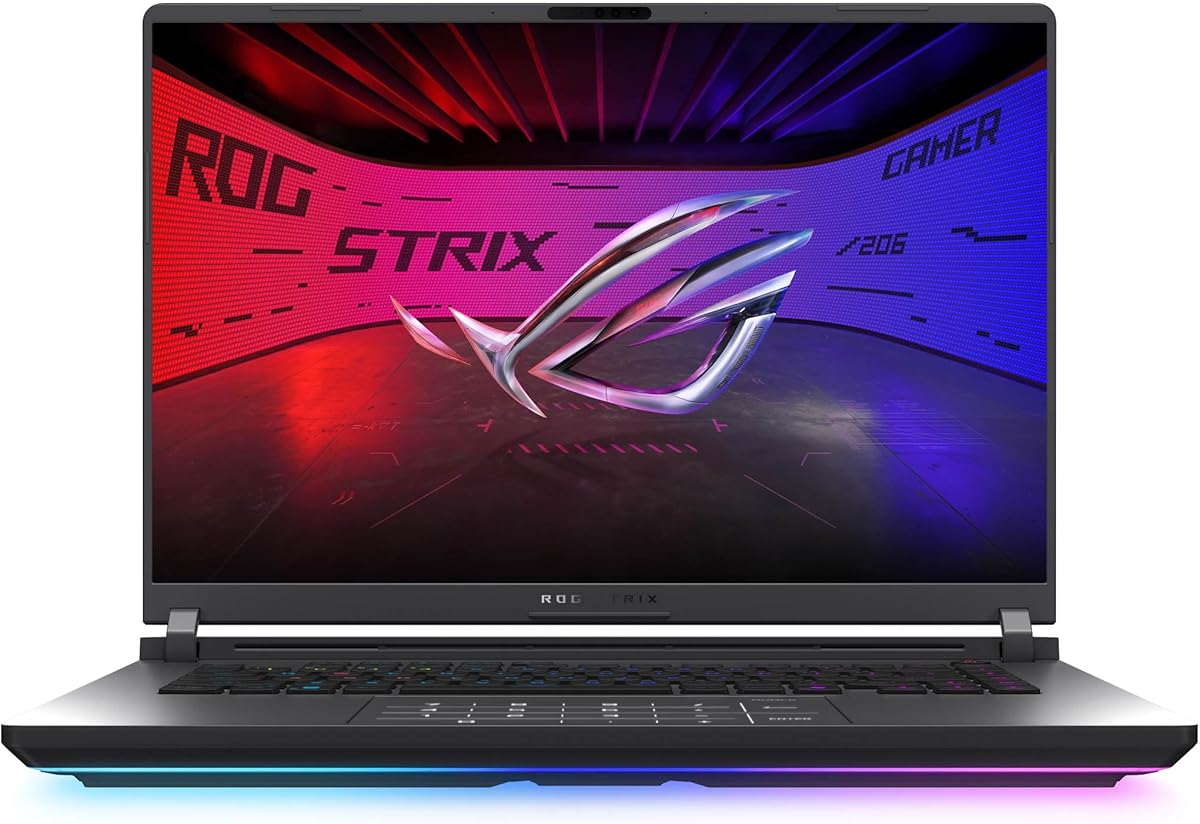
ASUS ROG Strix G16 (2025) Gaming Laptop
4.3Editor score
Intel Core Ultra 9 Processor 275HX
NVIDIA GeForce RTX 5070 Ti
240Hz ROG Nebula Display
Finding the right laptop for flight simulators requires balancing powerful hardware with precise display quality. Pilots and enthusiasts need machines that handle complex physics engines and stunning graphics without lag. The best systems offer high refresh rates and robust cooling to maintain stability during long flight sessions.
We evaluated leading gaming laptops and essential peripherals to compile this comprehensive list. Our analysis focuses on processor speed, graphics capabilities, and screen fidelity crucial for realistic aviation simulations. Each product was selected based on performance metrics and user feedback from the simulation community.
Each pick highlights specific strengths tailored to different simulation needs and budget levels. Whether you prioritize raw processing power or portability, these options cover the spectrum of flight simulation requirements. Please note that pricing and availability may change frequently due to market dynamics.
4.3Editor score

4.4Editor score

4.2Editor score
As an Amazon Associate we earn from qualifying purchases.
This side-by-side comparison evaluates all ten products based on core specifications and simulation suitability. We examine processor power, graphics cards, memory, and display quality to help you identify the right fit for your virtual cockpit setup.




The ASUS ROG Strix G16 stands out as a powerful choice for flight simulation enthusiasts seeking reliable performance. It receives high ratings for its ability to handle complex physics engines and detailed terrain rendering without stuttering. The system balances processing power with thermal management effectively.
We may earn a commission when you buy through this link, at no additional cost to you.
Powered by the Intel Core i7 Processor 14650HX and NVIDIA GeForce RTX 5060, this laptop delivers the computational strength needed for demanding simulation titles. The 165Hz FHD+ display ensures smooth visuals during high speed maneuvers, while the advanced cooling keeps the system quiet and stable over extended periods.
While the 16GB of DDR5 RAM is fast, heavy modding or running multiple applications alongside the sim might benefit from an upgrade. The premium price point reflects the high-end components, but it remains competitive within the gaming laptop market for users prioritizing performance.
This model is ideal for serious simmers who want a dedicated machine capable of handling next generation flight simulation features. Its combination of speed, display quality, and cooling makes it a top recommendation for building a robust virtual cockpit.
ROG Intelligent Cooling uses liquid metal and vapor chamber technology to maintain consistent frame rates during long sessions.
The FHD+ screen with high refresh rates reduces motion blur, crucial for tracking instruments and horizon lines accurately.
We may earn a commission when you buy through this link, at no additional cost to you.
This premium variant of the ROG Strix G16 offers top-tier specifications designed for the most demanding flight simulation workloads. It earns recognition for its exceptional rendering capabilities and high fidelity display which brings virtual worlds to life with stunning clarity and color accuracy.
We may earn a commission when you buy through this link, at no additional cost to you.
The Intel Core Ultra 9 Processor 275HX paired with the RTX 5070 Ti provides overwhelming power for ray tracing and AI upscaling features found in modern simulators. With 32GB of DDR5 memory, multitasking becomes seamless, allowing users to run streaming software and planning tools simultaneously.
The cost is significant, placing this laptop at the upper end of the market for home simulation setups. However, the inclusion of Wi-Fi 7 and the ROG Nebula display justifies the investment for those seeking the absolute best visual and performance experience available today.
Enthusiasts aiming for maximum realism and future proofing will find this laptop unmatched in its class. It serves as a centerpiece for a high-end cockpit configuration where every detail of the flight environment must be rendered precisely.
The Core Ultra 9 handles complex AI simulations and physics calculations with ease, ensuring smooth operation even with heavy add-ons.
The 2.5K resolution and 240Hz refresh rate provide incredibly sharp imagery and fluid motion essential for precise instrument reading.
We may earn a commission when you buy through this link, at no additional cost to you.
The NIMO 17.3 laptop presents an accessible entry point for those new to flight simulation on a budget. It receives positive feedback for its generous memory and storage which are critical for loading large scenario files and managing complex environments efficiently.
We may earn a commission when you buy through this link, at no additional cost to you.
Powered by the AMD Ryzen 5 6600H and Radeon 660M graphics, this system handles less demanding flight sims and training modules comfortably. The 32GB of DDR5 RAM ensures that even with many background tasks, the system remains responsive without frequent slowdowns.
While integrated graphics limit high-end visual fidelity compared to dedicated GPUs, this machine is well-suited for procedural flight training or older simulation titles. The larger screen offers valuable workspace for virtual instrument panels without needing external monitors.
This laptop is recommended for students or hobbyists who want to explore aviation simulation without a major financial commitment. It provides a solid foundation that can be supplemented with external peripherals as skills and interests grow.
The price point allows users to allocate remaining budget toward flight controls like a yoke or pedals for a complete setup.
The 17.3 inch display provides ample room to view navigation charts and avionics alongside the main flight view.
We may earn a commission when you buy through this link, at no additional cost to you.
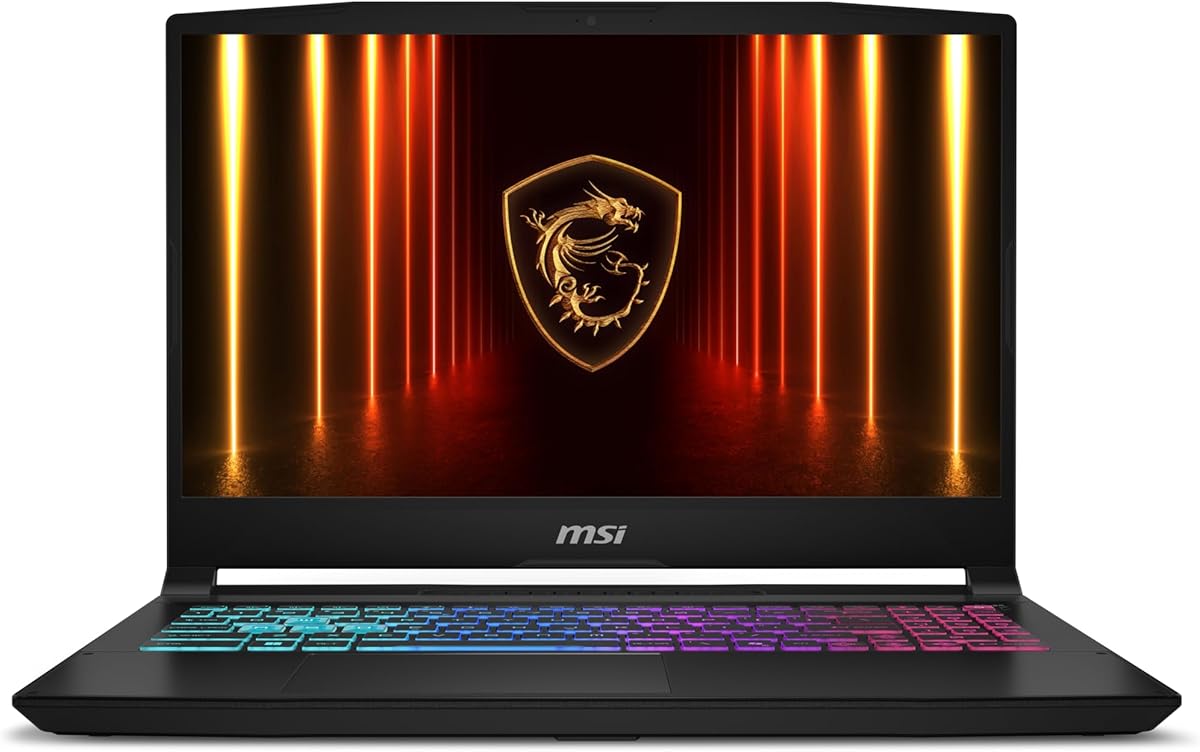
The MSI Katana 15 HX brings elite gaming performance to the flight simulation space with a focus on sustained processing power. Its reputation stems from the ability to maintain high frame rates during intensive scenarios without thermal throttling affecting gameplay smoothness.
We may earn a commission when you buy through this link, at no additional cost to you.
Equipped with an Intel Core i9 14900HX and RTX 5070, this laptop processes complex atmospheric physics and terrain data rapidly. The QHD+ display offers sharper detail than standard FHD screens, enhancing the realism of landscapes and runway markings during approach phases.
Cooler Boost 5 technology ensures stability but may introduce noticeable fan noise which could be distracting in quiet home environments. The build prioritizes internal performance over portability, making it best suited for a permanent desk setup in a cockpit configuration.
Pilots requiring raw computational horsepower for complex scenarios or modded environments will appreciate this machine's robust capabilities. It balances high-end specs with a price point that competes well against other premium gaming laptops.
Dual fans and heat pipes keep the CPU and GPU cool, ensuring consistent performance during long cross-country flights.
The QHD+ resolution provides crisp text and terrain details, helping identify visual cues more easily in dense urban areas.
We may earn a commission when you buy through this link, at no additional cost to you.
REALFLIGHT Evolution offers a specialized approach to flight simulation focusing on RC models and helicopter training. It is praised for its ease of use and the included controller which provides immediate tactile feedback for new pilots learning basic controls.
We may earn a commission when you buy through this link, at no additional cost to you.
The software supports VR headsets, allowing users to experience flights from a cockpit perspective which enhances spatial awareness and immersion. With access to new models and fields released quarterly, users always have fresh scenarios to practice and explore without buying separate expansions.
While it excels at RC training, it does not replicate full-scale aviation physics or avionics systems found in professional simulators. This makes it more suitable for hobbyists and beginners rather than those seeking realistic commercial or general aviation training.
This package is ideal for individuals interested in drones or RC aircraft who want a dedicated platform for skill development. The included hardware simplifies setup, making it a convenient starting point for entering the world of flight simulation.
Compatibility with VR headsets allows for immersive training sessions that build muscle memory more effectively than flat screens.
A wide range of aircraft types and fields ensures users can practice different flying conditions and maneuvers.
We may earn a commission when you buy through this link, at no additional cost to you.
The Logitech G PRO Flight Yoke System transforms any desk into a functional cockpit setup with professional-grade controls. Users appreciate the realistic feel of the yoke and throttle which helps develop muscle memory applicable to real-world aviation procedures.
We may earn a commission when you buy through this link, at no additional cost to you.
Constructed with a stainless steel shaft, the system ensures precise movement and durability over time. The 54 programmable controls allow for extensive customization, enabling pilots to map critical functions to accessible buttons for faster reaction times during flight.
While it lacks force feedback technology found in higher-end systems, the mechanical precision remains sufficient for most training needs. The included desk clamps provide stability, though users must ensure their desk surface is suitable for secure mounting.
This yoke is an essential upgrade for anyone serious about flight simulation who wants to move beyond keyboard inputs. It bridges the gap between casual gaming and professional simulation, offering a tangible connection to the virtual aircraft.
The stainless steel construction provides a premium feel and ensures the yoke remains responsive during intense maneuvers.
Programmable buttons allow for complex workflows, reducing the need to reach for the keyboard or mouse during flight.
We may earn a commission when you buy through this link, at no additional cost to you.
The Thrustmaster T Flight Stick X offers an accessible entry point for flight simulation controls without a complicated setup. It is highly rated for its plug and play functionality which allows users to start flying immediately after connecting to the computer.
We may earn a commission when you buy through this link, at no additional cost to you.
The integrated throttle and rudder twist lever provide a complete control system in one device, saving space on a crowded desk. Adjustable resistance allows pilots to tune the stick to their preferred feel, ensuring comfort during long training sessions.
Built with a weighted base, the stick remains stable during aggressive inputs, though the plastic construction feels less durable than metal alternatives. It serves as a practical solution for those who want dedicated flight controls without investing in a full yoke system.
Ideal for beginners or space-constrained setups, this joystick delivers reliable performance for standard flight sim titles. It offers a solid balance of features and affordability, making it a top choice for first-time simulation enthusiasts.
Zero driver installation is required, meaning users can connect and start playing their favorite simulator games instantly.
The ergonomic shape fits comfortably in hand, reducing fatigue during extended periods of simulated flight operation.
We may earn a commission when you buy through this link, at no additional cost to you.
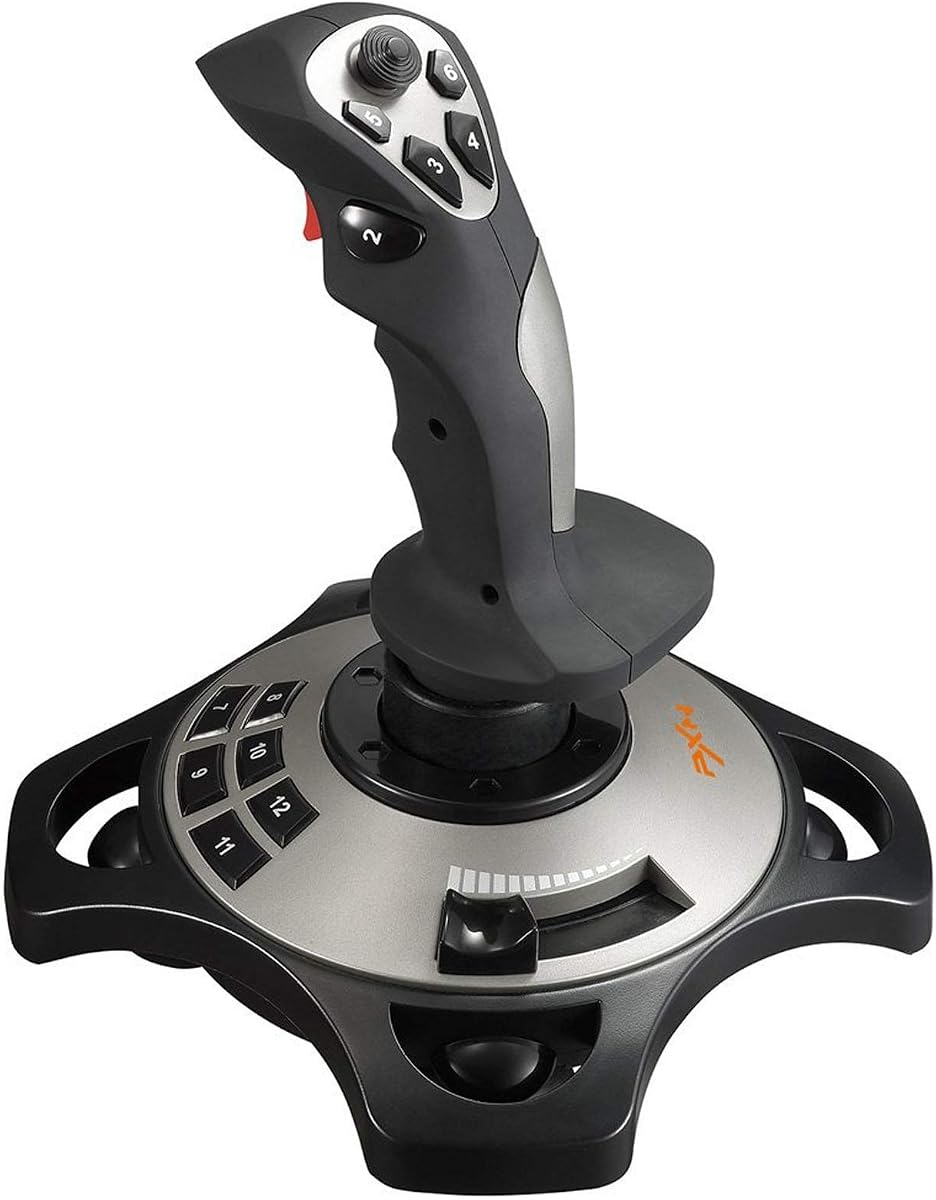
The PXN 2113PRO provides a low-cost alternative for users looking to add flight controls to their simulation setup. It receives attention for its vibration function which adds a layer of immersion by reacting to in-flight events like turbulence or engine feedback.
We may earn a commission when you buy through this link, at no additional cost to you.
With 12 programmable buttons and a 4-axis control system, it supports a variety of flight sim games and configurations. The ergonomic design ensures comfort, while the suction cups on the base help keep the joystick steady on smooth desks during use.
Support is limited to Windows systems, excluding Mac and console users which restricts its versatility. While not as refined as premium joysticks, it offers decent functionality for casual flying and learning basic control inputs.
This joystick is a good starting point for budget-conscious pilots who want more than keyboard controls. Its simple setup and low price make it easy to try out flight simulation peripherals without a significant investment.
Vibration feedback enhances the experience by providing physical cues during flight events like engine stalls or rough terrain.
Compatible with a wide range of PC flight games, allowing users to switch between simulators without changing hardware.
We may earn a commission when you buy through this link, at no additional cost to you.
The Thrustmaster TFRP Rudder Pedals complete a flight control setup by adding essential foot-based inputs for yaw control. They are well received for their precision and smooth movement, which are critical for coordinated turns and runway landings.
We may earn a commission when you buy through this link, at no additional cost to you.
Designed with a self-centering rudder axis and SMAR smart rails, the pedals offer friction-free motion that ensures consistent inputs. The ergonomic construction keeps feet comfortable during long sessions, while the sturdy build maintains stability on the floor.
While they lack separate brake pedals which limits some advanced ground handling scenarios, they cover the core rudder functions effectively. Multi-platform compatibility allows use with consoles and PCs, broadening their appeal to a wider audience of gamers.
These pedals are a recommended upgrade for pilots seeking more realistic control over their aircraft. They significantly enhance the simulation experience by allowing precise adjustments without removing hands from the main controls.
The smart rail system ensures smooth movement, reducing resistance and allowing for fine-tuned rudder inputs.
Compatibility with Xbox and PlayStation means users can enjoy flight sims on consoles with dedicated physical controls.
We may earn a commission when you buy through this link, at no additional cost to you.
Microsoft Flight Simulator 2004 remains a beloved classic for flight enthusiasts who appreciate core aviation principles over modern graphics. It is celebrated for its realistic dynamic weather system and terrain accuracy which laid the groundwork for future simulation standards.
We may earn a commission when you buy through this link, at no additional cost to you.
The interactive air traffic control adds a layer of realism by requiring communication and adherence to procedures, enhancing the educational value. Support for multiple monitors and hardware acceleration allows for a more expansive cockpit view, improving situational awareness during flights.
While graphics may appear dated compared to newer titles, the flight model and physics remain highly regarded for their accuracy. This software serves as a stable platform for learning flight basics without the complexity of modern add-ons and configurations.
This title is perfect for purists who value flight dynamics and historical context in simulation. It offers a timeless experience that continues to attract pilots interested in the fundamentals of aviation in a simplified yet engaging format.
The dynamic weather system simulates realistic cloud formation and dissipation, adding challenge to navigation and landing.
Interactive control towers guide users through flight plans, teaching important communication protocols and procedures.
We may earn a commission when you buy through this link, at no additional cost to you.
Selecting the ideal laptop for flight simulation involves balancing several key hardware components to ensure smooth and immersive operation.
Flight simulators rely heavily on single-core speed and multi-threading for physics calculations and terrain rendering. Look for high-performance Intel Core i7 or i9 processors or AMD Ryzen equivalents to handle complex scenarios without lag.
Prioritize models with 'HX' series CPUs for maximum performance during extended simulation sessions.
A dedicated NVIDIA RTX GPU is essential for rendering high-resolution textures and enabling ray tracing features. Higher model numbers like 5060 or 5070 ensure better frame rates in demanding titles like Microsoft Flight Simulator.
Ensure the GPU supports modern driver standards for optimal compatibility with simulation software updates.
Flight sims and background applications consume significant memory. 16GB is the minimum, but 32GB provides headroom for mods, streaming, and multiple browser tabs without performance drops.
Look for DDR5 RAM which offers faster speeds and better bandwidth for data-intensive simulation tasks.
High refresh rates like 165Hz reduce motion blur, which is critical for tracking instruments and horizon lines. Resolution should ideally be 1080p or higher for sharp text and detail.
Consider color accuracy and contrast to ensure visual comfort during long flights in varying lighting conditions.
Laptops run hot under heavy loads, so advanced cooling systems with vapor chambers or liquid metal are necessary to prevent throttling. A stable system ensures consistent frame rates over long sessions.
Read user reviews regarding fan noise to ensure the cooling does not become a distraction during immersive simulations.
External flight controllers require multiple USB ports for connection. Ensure the laptop has enough USB-A or USB-C ports to connect your yoke, pedals, and throttle quadrant simultaneously.
Check for HDMI or DisplayPort outputs if you plan to use a secondary monitor for additional instrument panels.
Gaming laptops often have short battery life under load, so consider models with larger batteries if you need portability. However, most simulation work is done plugged in, so this is less critical.
Prioritize performance and cooling over battery capacity for a desktop replacement experience.
A sturdy chassis ensures the laptop can withstand frequent transport if needed. Metal builds generally offer better heat dissipation than plastic.
Look for robust hinge designs to support the screen if you use it in various angles or with external peripherals.
Always ensure your laptop is updated to the latest OS version and driver package before installing new flight simulation software. This guarantees maximum compatibility with hardware acceleration features and peripherals.
Keep your device in a well-ventilated area to prevent overheating during long sessions. Regularly clean air vents with compressed air to maintain optimal airflow and cooling efficiency.
Use a surge protector to protect sensitive electronics from power fluctuations. This helps prolong the lifespan of the internal components and ensures data safety during unexpected power interruptions.
For Microsoft Flight Simulator 2024, a laptop with an Intel Core i7 or AMD Ryzen 7 processor, an NVIDIA RTX 4060 or better, and at least 16GB of RAM is recommended. This setup ensures smooth navigation and realistic rendering of global terrain without frequent stuttering or frame drops.
Yes, a dedicated graphics card is highly recommended for realistic flight simulation. Integrated graphics often struggle with the high-resolution textures and complex weather systems found in modern titles, leading to poor performance and visual glitches.
Most gaming laptops are versatile enough for work tasks like coding and document editing. However, ensure the cooling system is sufficient to handle both creative workloads and simulation rendering without overheating or throttling performance.
32GB of RAM is the sweet spot for running flight simulators alongside streaming software, communication tools, and navigation apps. This prevents slowdowns and allows for seamless multitasking during complex scenarios.
High refresh rates like 144Hz or 165Hz significantly reduce motion blur, making it easier to track horizon lines and instruments during maneuvers. While not strictly mandatory, they enhance the overall realism and smoothness of the experience.
A secondary monitor is useful for displaying navigation charts or external systems while keeping the main flight view on the laptop screen. Many laptops support external displays via HDMI or USB-C, allowing for a wider virtual cockpit.
Choosing the right laptop for flight simulators depends largely on your specific needs for realism, performance, and budget. The top picks range from high-end machines with powerful GPUs to more affordable options that still deliver solid performance for standard titles.
Prioritize a strong processor and dedicated graphics card to ensure smooth rendering and physics calculations. Having enough RAM and storage space is equally important for handling the large assets that modern simulators require.
Prices and stock levels fluctuate often, so check current listings before making a final decision to secure the best value. Investing in a capable machine today ensures you can enjoy the latest simulation updates and realistic environments without upgrading soon.