
Verifone VX520
3.5Editor score
EMV and NFC support
Ethernet and dial connectivity
Smart card compliant
Compare the top card readers for vending machines including Nayax, Verifone, and more to find secure cashless payment solutions for your business today.
Modern vending operations demand reliable cashless payment systems to meet customer expectations. A quality card reader ensures secure transactions, real-time data, and seamless integration with your existing machine protocols for optimal performance.
We evaluated ten leading card readers based on connectivity, security compliance, and protocol support. Our analysis focuses on devices that offer robust telemetry, durable construction, and compatibility with major vending standards like MDB and Pulse.
Each selection highlights specific strengths for different operational needs. While pricing fluctuates due to market conditions, the features listed reflect current capabilities. Always verify compatibility with your specific machine before purchasing to ensure smooth deployment.
3.5Editor score
3.8Editor score

4.0Editor score
This side-by-side comparison highlights key specifications for all ten selected card readers. Review connectivity options, supported payment types, and physical dimensions to determine the best fit for your vending infrastructure requirements.


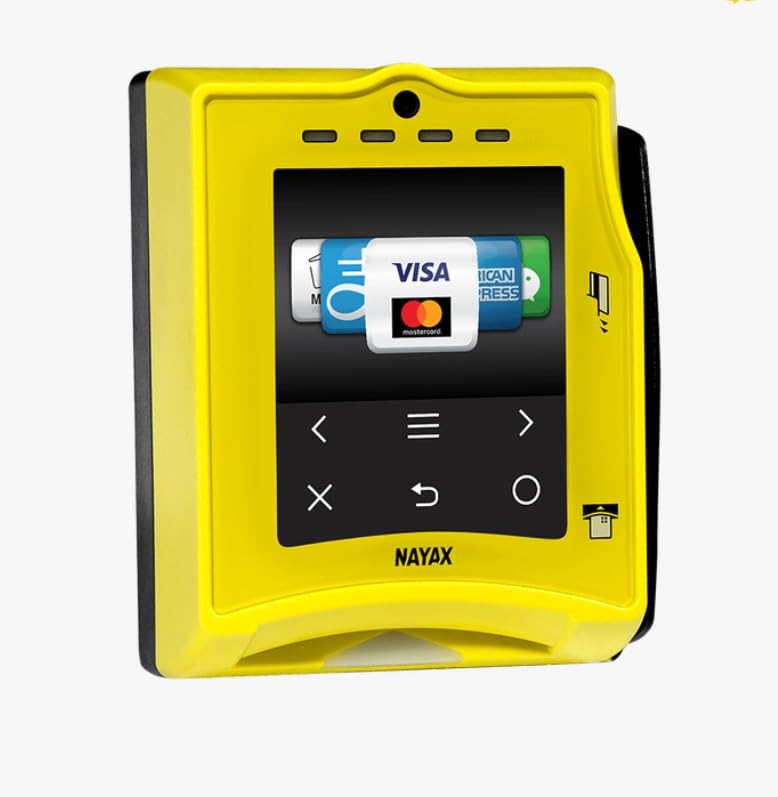
The VPOS Touch represents a complete cashless solution designed specifically for unattended environments. With a solid 3.8 rating, it stands out for its ability to accept EMV chips, NFC mobile wallets, and magnetic stripes seamlessly.
We may earn a commission when you buy through this link, at no additional cost to you.
Its plug-and-play connectivity includes a high-gain 4G LTE antenna, eliminating the need for separate Wi-Fi or ethernet setups. This ensures instant cellular connection, which is crucial for maintaining uptime in remote vending locations.
While the device requires initial activation, the real-time telemetry allows operators to monitor inventory and sales data remotely. The Nayax management suite provides instant mobile alerts, keeping you informed of machine status without physical checks.
This reader is ideal for operators seeking a secure and versatile payment solution. It supports MDB and Pulse protocols, making it compatible with various vending machines, car washes, and amusement games.
The device integrates easily with standard MDB or Pulse protocols used by most vending machines.
Fully PCI DSS compliant with EMV Level 1 and 2 certifications for maximum protection.
We may earn a commission when you buy through this link, at no additional cost to you.
This model expands on the standard VPOS features with enhanced marketing capabilities. It supports a wide range of payment methods including WeChat Pay and Paytm, making it suitable for international or diverse customer bases.
We may earn a commission when you buy through this link, at no additional cost to you.
The customizable touchscreen allows for multi-language support and voice prompts, improving user experience. Operators can utilize loyalty programs and punch cards directly through the device to increase repeat business.
Durability is a key focus with Dragontrail glass and an IP55 rating for resistance against dust and water. Shock detection further protects the unit from vandalism in high-traffic public areas.
While specific ratings are currently unavailable, the feature set suggests a robust choice for advanced vending needs. The plug and play design ensures easy installation with remote updates for continuous improvement.
Loyalty programs and discounts can be managed directly through the device interface.
Supports multiple mobile wallet types including WeChat Pay and Paytm for broader reach.
We may earn a commission when you buy through this link, at no additional cost to you.
This generic option focuses on essential cashless functionality with a straightforward activation process. Users must follow the included yellow instruction sheet to begin, ensuring proper registration before first use.
We may earn a commission when you buy through this link, at no additional cost to you.
Activation typically takes up to ten business days after submission. This delay is standard for payment processors verifying merchant details to ensure secure transaction handling for vending operations.
While detailed specs are not provided, the device is designed for standard vending integration. It serves as a basic solution for operators needing to transition from cash to card payments quickly.
Consider this model if simplicity is your priority over advanced telemetry. The activation steps are clear, and the device aims to integrate smoothly with existing machine protocols.
Follow the yellow instruction sheet included in the box for activation.
We may earn a commission when you buy through this link, at no additional cost to you.
The Symcode reader offers multiple ways to read cards via USB connection. It supports magnetic stripes, SLE4442 chip cards, and contactless NFC, making it useful for membership or check-in systems alongside vending.
We may earn a commission when you buy through this link, at no additional cost to you.
With two lights indicating connection status and green flashing during swipes, feedback is clear. It operates as a keyboard emulator or passive HID mode, allowing flexible integration with different software environments.
Users should note that this device reads but does not encode cards. This limitation makes it suitable for verification tasks rather than issuing new card credentials for customer loyalty programs.
Technical support is available for questions regarding installation or software integration. Despite the lower rating, its versatility makes it a budget-friendly option for specific application needs.
Switch between active keyboard emulator and passive HID modes for different system needs.
We may earn a commission when you buy through this link, at no additional cost to you.
The Verifone VX520 is a well-known device that supports dial and ethernet connections for versatile deployment. It handles EMV chips, NFC, and Apple Pay, ensuring compliance with modern payment security standards.
We may earn a commission when you buy through this link, at no additional cost to you.
Its smart card compliance makes it suitable for various unattended environments where reliability is key. The device is designed to handle secure transactions with robust encryption capabilities.
As a budget-friendly choice, it offers essential features without advanced telemetry suites. This simplicity can be advantageous for smaller operators who need a straightforward payment endpoint.
Ideal for those prioritizing hardware reliability over app-based management. Ensure your network setup supports the required connectivity type before purchase.
Fully compliant with EMV standards to reduce fraud risk in card transactions.
We may earn a commission when you buy through this link, at no additional cost to you.
This reader supports a wide array of card technologies including magnetic stripes and Mifare RFID. The package includes an SDK, software CD, and user manual to assist with integration into custom systems.
We may earn a commission when you buy through this link, at no additional cost to you.
While it supports reading, it does not write data to magnetic stripes. This makes it suitable for verification and identity checks rather than card issuance processes.
Deep development may require APDU commands for CPU chips, offering flexibility for specialized applications. The user guide on the CD is critical for setup and operation.
For developers or system integrators, this device provides the necessary tools to handle various card formats. Ensure you review the manual carefully before starting configuration.
Access SDK and software CD included in the package for custom development.
We may earn a commission when you buy through this link, at no additional cost to you.
The E-seek M-260 excels at reading government-issued ID cards with both magstripe and 2D barcode data. It carries a 4-star rating, reflecting its reliability for authentication tasks in kiosks or access control.
We may earn a commission when you buy through this link, at no additional cost to you.
Its dual interface connectors allow side access or bottom mounting, providing installation flexibility for different kiosk designs. Data transfers via standard USB or RS232, ensuring compatibility with older or specialized hosts.
While more expensive, the added capability of scanning barcodes expands its utility beyond simple card reading. This makes it a strong choice for environments requiring identity verification.
Best suited for operations needing secure ID authentication alongside payment acceptance. The included 6-foot smart cable simplifies connectivity to the host device.
Bottom mounted connector allows for versatile mounting in kiosk applications.
We may earn a commission when you buy through this link, at no additional cost to you.
This reader features a compact design ideal for mobile or space-constrained setups. It supports contactless payments and is PCI P2PE compliant, ensuring secure handling of payment data.
We may earn a commission when you buy through this link, at no additional cost to you.
A new merchant account with SwyftPAY is required before shipment. This ensures that the device is linked to a verified payment gateway for seamless processing upon receipt.
The stand included helps position the reader for easy customer interaction. Surcharge compatibility allows operators to pass transaction fees to customers if needed.
Useful for operators seeking a mobile-friendly payment solution. Ensure you set up the merchant account in advance to avoid shipping delays.
PCI P2PE compliance guarantees encrypted transaction data for enhanced security.
We may earn a commission when you buy through this link, at no additional cost to you.
The MTMS15 supports multi-factor authentication using both card and PIN entry. This adds an extra layer of security for high-value transactions or restricted access scenarios.
We may earn a commission when you buy through this link, at no additional cost to you.
Its open architecture solution allows for flexible integration with various systems. Mobile NFC support ensures it can handle modern smartphone wallets alongside traditional magnetic stripe cards.
Networked real-time capabilities enable immediate transaction updates and monitoring. This is beneficial for operators managing multiple locations who need centralized data.
Consider this model for environments requiring enhanced security protocols. Verify your system compatibility with the open architecture before purchase.
Card and PIN entry options reduce unauthorized access risk significantly.
We may earn a commission when you buy through this link, at no additional cost to you.
This reader supports both Bluetooth and USB connectivity, offering flexibility for mobile devices. It reads and writes all three tracks of magnetic stripe data, making it a full encoder solution.
We may earn a commission when you buy through this link, at no additional cost to you.
Compatible with Windows, MacOS, iOS, Android, and Linux, it works across many systems. Free software is provided for older and newer operating systems alike.
The ISO 7811-6 standard support ensures reliable data encoding for various card types. However, Bluetooth connectivity may limit range compared to wired connections in some setups.
Ideal for applications needing to encode cards remotely. Ensure you have a stable power source for reliable Bluetooth operation in vending environments.
Supports major operating systems including Windows, MacOS, iOS, and Android.
We may earn a commission when you buy through this link, at no additional cost to you.
Selecting the right card reader involves understanding your operational needs and technical constraints. Focus on connectivity, payment support, and security to ensure smooth integration with your vending machines.
Consider how the device connects to your network. Cellular options like 4G LTE remove the need for Wi-Fi, while ethernet or dial options may suit fixed locations.
Choose the connection type that offers the most reliability for your specific vending site.
Ensure the reader accepts EMV chips, NFC wallets, and magnetic stripes. Diverse payment support maximizes sales opportunities across different customer preferences.
Prioritize devices that handle both contact and contactless methods for convenience.
Look for PCI DSS compliance and EMV Level 1 or 2 certifications. These standards protect sensitive card data and reduce liability for your business.
Always verify that security certifications are current and meet industry requirements.
Check that the reader supports your machine's communication protocol, such as MDB or Pulse. Incompatibility can lead to integration issues or hardware conflicts.
Confirm protocol support before purchasing to ensure seamless operation.
Vending machines in public spaces need rugged devices. Look for IP ratings like IP55 or protective glass to withstand dust, water, and vandalism.
Invest in durable hardware to reduce maintenance and replacement costs.
Real-time monitoring helps track sales and inventory remotely. Devices with built-in telemetry allow you to manage multiple machines efficiently.
Opt for solutions that offer mobile alerts and dashboard access.
Some devices require merchant account setup or activation before use. This step ensures secure payment processing but may delay deployment.
Plan ahead to account for activation timelines during rollout.
Prices vary widely based on features. Balance the cost with the required functionality to find a value fit for your operation.
Evaluate long-term benefits alongside initial price to maximize investment.
Begin by connecting the device to your vending machine using the appropriate interface cable. Ensure the power source is stable and the network connection is active before proceeding.
Follow the manufacturer's activation steps carefully, which may include online registration or account setup. This ensures the device is properly linked to your payment processor.
Clean the reader regularly with a soft, dry cloth to remove dust and debris. Avoid harsh chemicals that could damage the screen or sensors, and check cables periodically for wear.
MDB stands for Multi-Drop Bus, a standard protocol for communication between vending machines and peripherals. It ensures the card reader can correctly signal sales and inventory updates to the main controller.
Most modern readers support NFC technology, allowing them to accept Apple Pay, Google Pay, and other mobile wallets. Always check the specific specs to confirm contactless capabilities.
Activation times vary by processor but often take several business days. Some devices may require up to ten days for merchant verification before they can process payments.
Yes, cellular-enabled readers with 4G LTE antennas work without Wi-Fi. They connect directly to cellular networks, making them ideal for remote or outdoor vending spots.
Reputable readers comply with PCI DSS and EMV standards to encrypt data and reduce fraud. This protects both the operator and the customer during every transaction.
Some readers support both MDB and Pulse protocols. Verify compatibility before buying to ensure the device can communicate properly with your specific machine setup.
We reviewed ten top card readers for vending machines in this guide, highlighting the VPOS Touch as the top choice for modern needs. Other strong contenders include the Verifone VX520 for budget buyers and the E-seek M-260 for premium features.
Prioritize security and connectivity when selecting a device. A reliable reader should support EMV and NFC, offer stable internet access, and integrate smoothly with your machine's control system.
Always verify current availability and pricing before purchasing. Ensure all activation steps are completed before installation to avoid downtime during your transition to cashless payments.