
Rokinon DSX85 DSX 85mm T1.5 Lens for Canon EF
4.7Editor score
Fast T1.5 aperture
9 blade iris design
Ultra multi-coated glass
This expert guide compares the top ten Cine Lens options for filmmakers, evaluating optical performance, mount compatibility, and build quality to help you
Choosing the right Cine Lens is crucial for filmmakers who demand precise control over focus and aperture. These specialized optics offer smooth focus rings and consistent T-stops to ensure professional results.
We evaluated ten top-rated models based on optical sharpness, build quality, and versatility across different camera systems. Each option brings unique strengths for various production needs and budgets.
Every pick includes detailed specs and real-world performance insights to guide your decision. Prices and availability change frequently, so check current listings before finalizing your purchase.
4.7Editor score
5.0Editor score

5.0Editor score
The following comparison table details the key specifications and features of each model to help you find the perfect fit for your workflow.


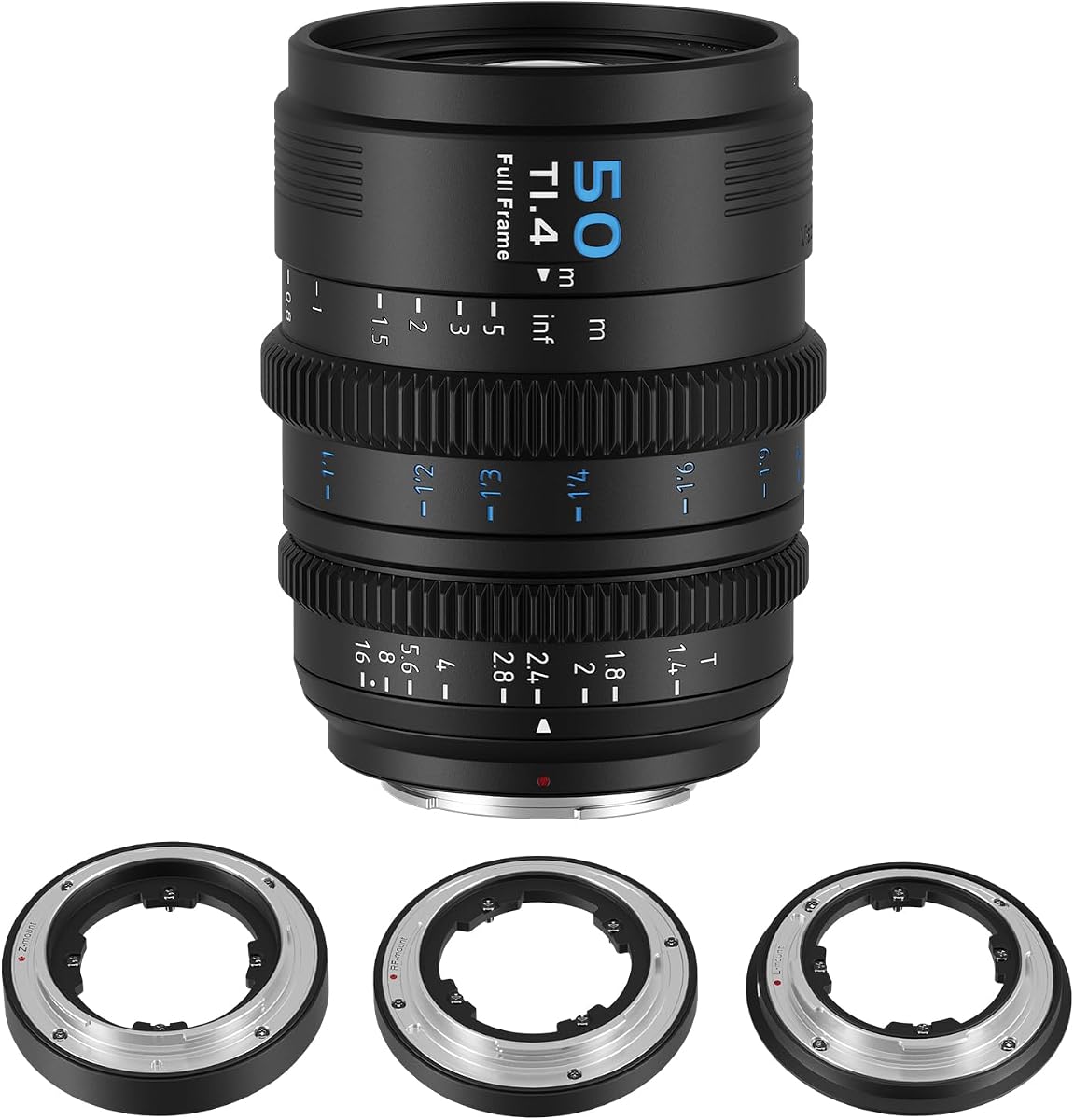

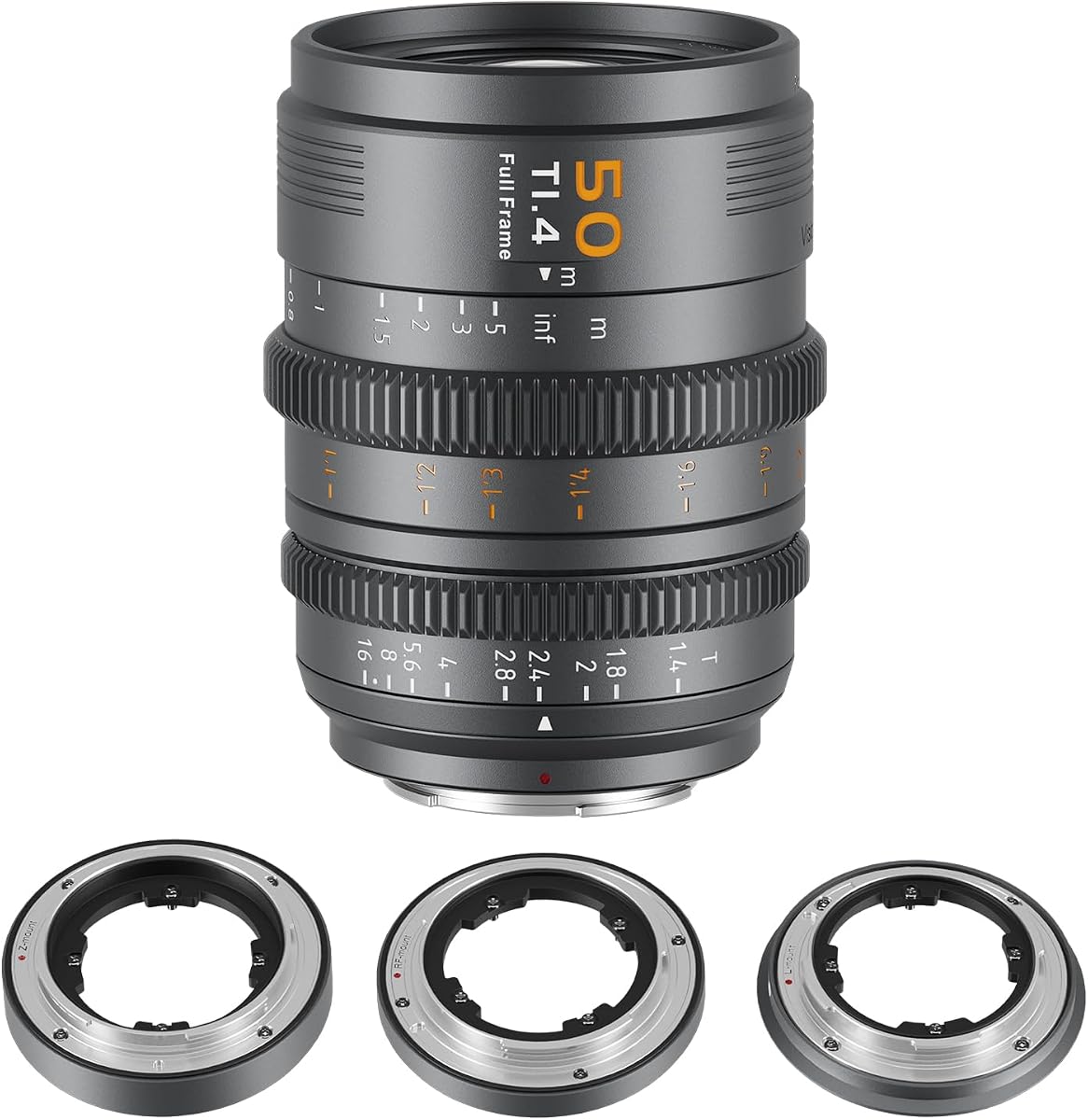
The SIRUI VP-1 Vision Prime 1 50mm T1.4 stands out as a top choice for modern filmmakers needing precision and versatility. It earns a perfect rating for its outstanding optical quality and build consistency. This lens delivers crisp imagery across the frame even at wide apertures.
We may earn a commission when you buy through this link, at no additional cost to you.
Its interchangeable mount system allows seamless switching between Sony E, Canon RF, Nikon Z, and Panasonic L mounts. The 8K optimized design uses aspherical and ED glass to minimize chromatic aberrations. You get dreamy bokeh and consistent color matching across the VP-1 series.
While the lens is compact and lightweight at 600g, it feels sturdy with its aluminum alloy body. The uniform gear positions make rig setups easy for any lens in the set. Some users may prefer a longer focal length variety beyond the prime options available.
Filmmakers shooting travel docs or handheld gigs will appreciate its balance and sharpness. It is highly recommended for those seeking professional results without excessive weight. This lens sets a new standard for affordable high-end cine optics.
The interchangeable mount system lets you adapt one lens body to multiple camera brands quickly and efficiently.
Advanced glass elements ensure edge-to-edge sharpness and minimal distortion even in high-resolution 8K workflows.
We may earn a commission when you buy through this link, at no additional cost to you.
The DZOFILM Pictor 50-125mm T2.8 offers professional zoom capabilities with true parfocal design. It keeps focus steady throughout the entire zoom range. This feature is rare in this price bracket and earns it top marks for video work.
We may earn a commission when you buy through this link, at no additional cost to you.
Its 16-slat iris creates smooth bokeh and consistent exposure during lighting shifts. Minimal focus breathing ensures your shots remain sharp while adjusting composition. The lens works with PL and Canon EF mounts for broad compatibility across cinema cameras.
While it is heavier than prime lenses, the optical performance justifies the weight for fixed setups. You might find it challenging to balance on small gimbals without counterweights. However, the smooth zoom mechanics and build quality are industry standard.
Producers needing a versatile zoom for interviews or events will love this lens. It is best suited for professional crews prioritizing image stability and speed. This model delivers high-end cinema performance at a competitive tier.
Focus remains locked while zooming so you do not lose sharpness during dynamic shots.
The 16-slat iris provides smoother transitions and more pleasing background blur than standard blades.
We may earn a commission when you buy through this link, at no additional cost to you.
The Rokinon DSX85 DSX 85mm T1.5 offers outstanding value for independent creators on a tight budget. It provides a fast T1.5 aperture perfect for low light and portrait work. Its price point makes it accessible without sacrificing core cinema features.
We may earn a commission when you buy through this link, at no additional cost to you.
The ultra multi-coated glass reduces flare and boosts contrast for clean images. A 9-blade iris creates soft bokeh highlights that look cinematic. The lens is lightweight and pairs well with smaller cameras or gimbals for portable shoots.
While it is a great entry point, some parts are plastic which may wear faster over time. Manual focus requires practice but allows precise control. You should expect minor focus breathing during shifts which is typical for this category.
Beginners and solo shooters will find this lens easy to use and carry. It is an excellent first cine lens to learn manual operation. This model balances cost and performance better than many competitors in the market.
The T1.5 aperture lets you shoot in dim environments without raising ISO too high.
The 85mm focal length isolates subjects beautifully for interviews or character scenes.
We may earn a commission when you buy through this link, at no additional cost to you.
The ROKINON CINE DS Kit delivers four essential focal lengths in one coordinated package. This kit includes 24mm, 35mm, 50mm, and 85mm lenses optimized for full-frame Canon EF cameras. You get a complete toolkit for versatile storytelling in one box.
We may earn a commission when you buy through this link, at no additional cost to you.
Every lens shares identical gear and aperture positions for smooth rig swaps. Color matching ensures consistent tone across different shots and lenses. The de-clicked aperture ring allows precise exposure adjustments during recording sessions.
While this is a great starting set, it limits you to Canon EF mount systems. The combined weight can be significant for handheld work without a support rig. However, the cost savings versus buying individually make it a smart choice.
Small production teams will appreciate the convenience and consistency this kit provides. It is ideal for those needing multiple focal lengths without matching separate models. This bundle simplifies workflow and reduces setup time significantly.
Unified gears mean your follow focus stays set when changing lenses saving time on set.
Matching optical coatings ensure skin tones look the same across all four focal lengths.
We may earn a commission when you buy through this link, at no additional cost to you.
The SIRUI Night Walker 35mm excels in dim environments thanks to its T1.2 aperture. It delivers pure low noise footage even at high ISOs. This makes it a top pick for documentary or night shooting where light is scarce.
We may earn a commission when you buy through this link, at no additional cost to you.
Its 500g weight keeps handheld setups stable and easy to carry. The aluminum housing is sturdy yet portable for travel shoots. You get excellent sharpness and minimal focus breathing for smooth transitions.
While it targets S35 sensors, it does not cover full-frame natively. This might limit use on larger sensors without cropping. The price is higher than some primes but justified by the low-light performance.
Shooters requiring maximum light capture will find this lens indispensable. It suits indie filmmakers and journalists prioritizing sharpness in shadows. This model sets a benchmark for fast aperture compact cine lenses.
T1.2 lets you capture clean scenes without extra lighting gear in dark spaces.
At just 500g it balances well on gimbals for stable handheld or drone use.
We may earn a commission when you buy through this link, at no additional cost to you.
The SIRUI Night Walker 24mm RF brings wide storytelling power with a fast T1.2 aperture. It balances a broad view with natural composition for landscapes and interiors. This lens is perfect for environmental shots and dynamic street scenes.
We may earn a commission when you buy through this link, at no additional cost to you.
Its 0.3m close focus allows immersive details and tabletop shots with strong depth. The RF mount ensures seamless integration with modern Canon cameras. Focus rotation is smooth and repeatable for precise video work.
Edge softness at max aperture is a minor trade-off for brightness. You might stop down slightly for critical sharpness in corners. Still, the optical quality and build are strong for the price segment.
Users needing wide angles for narrative context will love this lens. It is best for shooters who prioritize light and speed. This model delivers expressive cinematic wide views with modern convenience.
The 24mm angle captures broad scenes without distortion for immersive storytelling.
Focus as close as 0.3m for unique details that add visual impact to shots.
We may earn a commission when you buy through this link, at no additional cost to you.
The Rokinon 35mm T1.5 offers a standard perspective ideal for general filmmaking. Its T1.5 aperture allows shallow depth of field and good low light performance. This lens is a reliable workhorse for Canon EF camera users.
We may earn a commission when you buy through this link, at no additional cost to you.
The DS line ensures unified gear and aperture positions across other Rokinon lenses. It supports full-frame coverage with clear sharpness across the frame. You can use 77mm filters to adjust exposure or creative effects.
Manual focus demands practice but grants full creative control. It lacks autofocus which may slow down quick shooting scenarios. The price remains accessible for hobbyists and pros alike.
Shooters needing a versatile general-purpose lens will find this model suitable. It is excellent for interviews and run-and-gun work. This lens provides consistent results at a friendly price point.
35mm offers a natural view close to human vision for realistic scenes.
Matches other Rokinon DS lenses for consistent color and gear placement.
We may earn a commission when you buy through this link, at no additional cost to you.
The SIRUI Night Walker 24mm M43 fits compact cameras like Blackmagic and Panasonic perfectly. It maintains T1.2 brightness for sharp night scenes and deep bokeh. The 500g weight makes it easy to carry for travel shoots.
We may earn a commission when you buy through this link, at no additional cost to you.
Optical performance stays high even at max aperture with minimal focus breathing. The aluminum body is sturdy enough for professional use. You get a classic look with modern internal build quality.
As an S35 lens it works well with Micro Four Thirds sensors. You may need adapters for other systems or full frame. The manual focus is smooth but lacks electronic communication with some cameras.
Run-and-gun filmmakers will appreciate its size and speed. It is highly recommended for those who prioritize portability without sacrificing light. This model brings high-end features to a smaller form factor.
Its small size and light weight make it ideal for backpacking or drone work.
The lens delivers sharp images with controlled aberration for clean footage.
We may earn a commission when you buy through this link, at no additional cost to you.
The Rokinon Cine DS 85mm provides exceptional portrait focus and soft backgrounds. Its T1.5 aperture creates a dreamy separation between subject and background. This lens is a top pick for interviews and character shots.
We may earn a commission when you buy through this link, at no additional cost to you.
It shares DS line color match and gear positions with other Rokinon lenses. The 8 blade iris produces round bokeh for aesthetic highlights. The minimum focus distance is 3.6 ft which limits close-up shots.
Manual focus requires steady hands but allows precise artistic control. It is heavier than smaller models so balance is key on gimbals. The build quality feels solid for professional usage.
Users focusing on faces and tight shots will love this lens. It is best for those valuing aesthetics and color consistency. This model is a classic choice for portrait work.
The 8 blade iris creates soft round highlights for smooth backgrounds.
Matches other DS lenses for seamless switching across a kit.
We may earn a commission when you buy through this link, at no additional cost to you.
The SIRUI VP-1 50mm Z Mount delivers strong optics for Nikon Z shooters. It features T1.4 aperture for low light and creative bokeh. The lens is optimized for 8K recording with aspherical elements.
We may earn a commission when you buy through this link, at no additional cost to you.
It weighs only 600g which helps handheld stability. The aluminum body is sturdy and matches other VP-1 lenses for color. Interchangeable mount design allows flexibility if you switch systems.
Focus is manual but precise with smooth rotation. It may lack some electronic communication features of native glass. Still optical quality remains excellent for cinema work.
Nikon users needing premium performance will find this lens rewarding. It suits those prioritizing sharpness and low light capability. This model is a strong option for Z system filmmakers.
Native Z mount ensures full electronic support for seamless integration.
Optimized for high resolution capture with minimal chromatic aberration.
We may earn a commission when you buy through this link, at no additional cost to you.
Selecting the right Cine Lens depends on your camera system, budget, and shooting style. This guide breaks down key factors to consider before buying.
Ensure your lens mount matches your camera or offers reliable adapters. Mismatched mounts can cause physical interference or lack of electronic communication.
Always verify mount support before purchasing to avoid return issues.
Faster T-stops like T1.2 allow low light shooting and shallow depth of field. Slower apertures like T4 may suffice for bright studio work.
Choose T1.2 to T1.5 for most outdoor or narrative work.
Full-frame lenses cover larger sensors whereas S35 options are lighter. Know your sensor size to avoid vignetting or wasted image circle.
Match lens coverage to your camera sensor for best results.
Metal bodies and gears ensure durability for pro use. Plastic parts may be lighter but can wear out faster over time.
Invest in metal housing for long-term reliability.
Smooth and long throw focus rings help precise video focus. Short throw rings may cause overshooting during adjustments.
Look for focus rings with 270 degrees of rotation.
Prices vary widely from entry-level kits to premium zooms. Set a budget and prioritize features you actually need.
Buy the best quality within your budget range.
Lighter lenses are easier for gimbals or handheld work. Heavier models may require rigs or tripods for stability.
Keep total rig weight in mind for long shoots.
Matching lenses ensure consistent color across shots. Kits or series often share coatings for uniform results.
Consider a set or series for consistent look.
Clean the lens surface with a soft brush and microfiber cloth to remove dust. Avoid touching glass with fingers to prevent oil marks.
Store your lens in a dry case with silica gel to prevent fog or mold damage. Remove caps only when shooting to minimize exposure.
Check your focus ring for smoothness regularly. Lubricate gears if needed using recommended products to maintain operation.
Cine lenses feature consistent T-stops smooth focus rings and minimal focus breathing for video. Photo lenses prioritize autofocus speed and may lack gear compatibility for follow focus.
Manual focus requires practice but grants full creative control over sharpness. Using a follow focus tool makes smooth adjustments easier during recording.
Yes but you must manually set exposure and focus for each shot. Some features like autofocus or image stabilization may not work on photo cameras.
T1.2 to T1.5 apertures let in the most light for night scenes. They also create shallow depth of field to isolate subjects in dark environments.
Cine lenses match specific mounts or allow adapters. Always confirm compatibility with your camera model to ensure physical fit and electronic support.
Zooms allow flexible framing while primes offer faster apertures and sharper optics. Primes are better for low light while zooms are versatile for changing shots.
Our top picks include the SIRUI VP-1 for versatility and the DZOFILM Pictor for premium zoom needs. Rokinon kits remain solid choices for budget-conscious buyers.
Focus on what matters most for your shoots like aperture speed or weight. Prioritize build quality and mount compatibility for long-term use.
Always check current availability and deals before finalizing your choice. Pricing changes often so compare listings to get the best value for your budget.